house of balloons, 08/14/25
Published:
house of balloons, 08/14/25 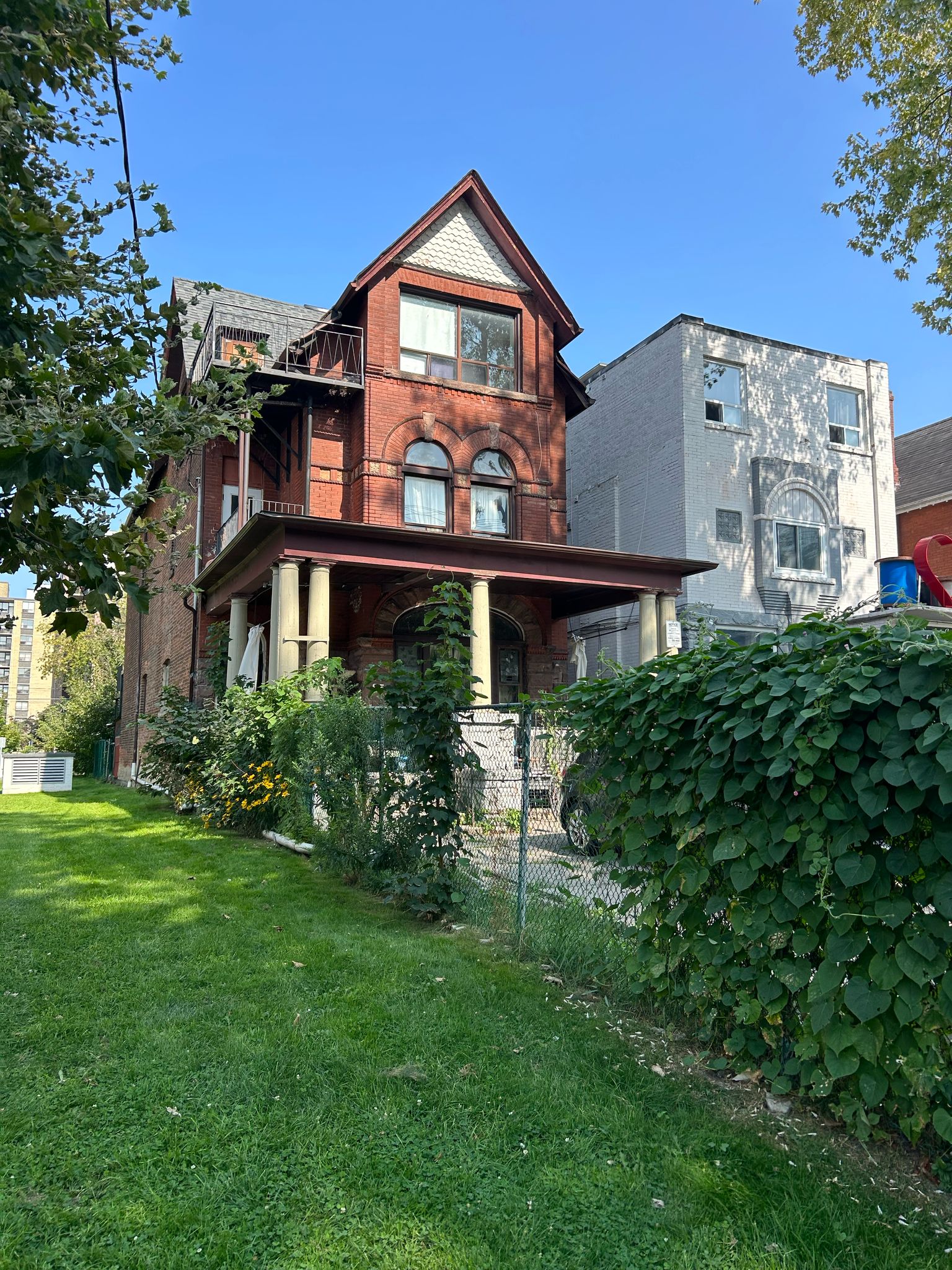
Published:
house of balloons, 08/14/25
Published:
view from SLMath, 02/06/24 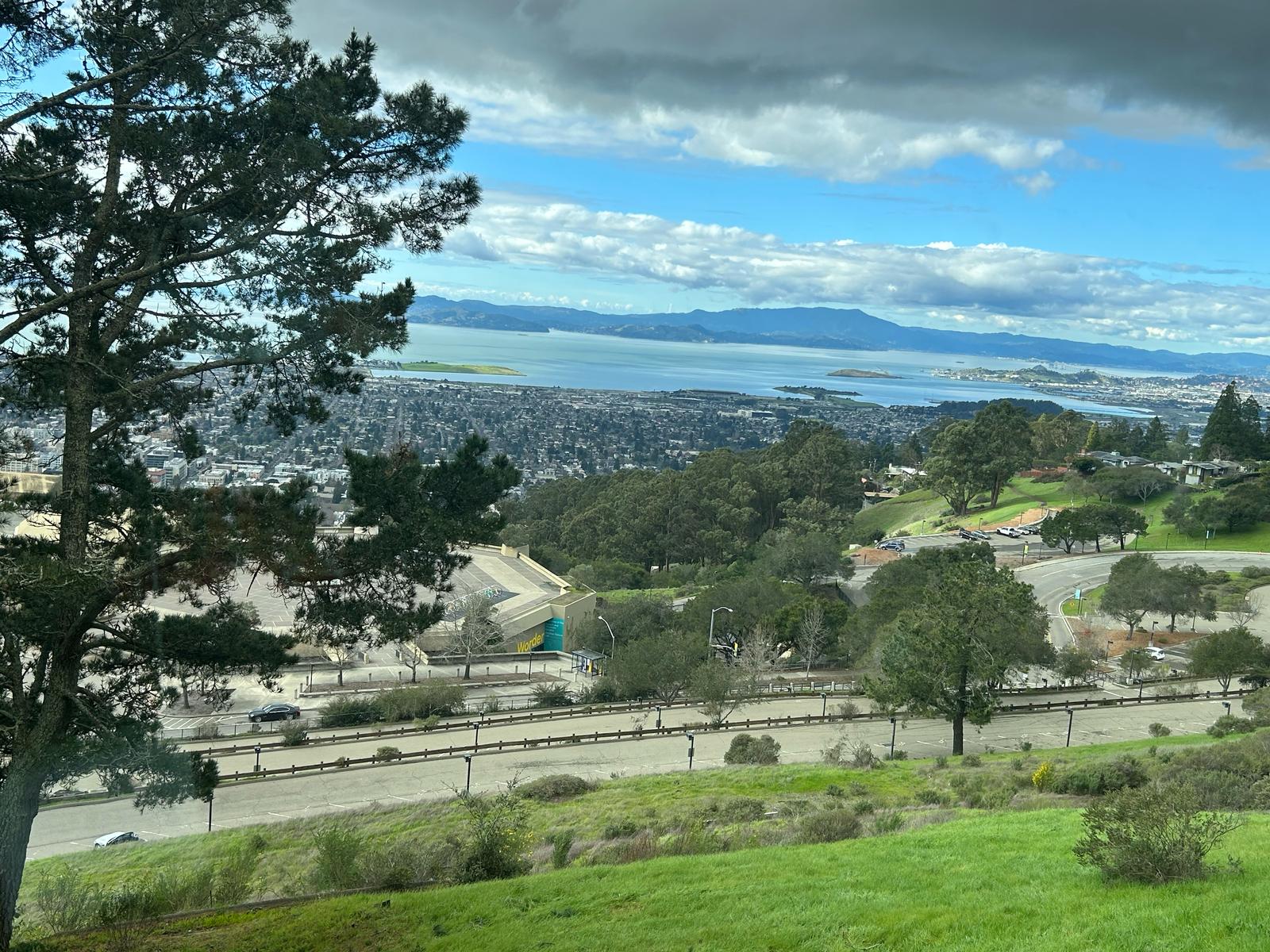
Published:
a street in columbus, 03/21/24 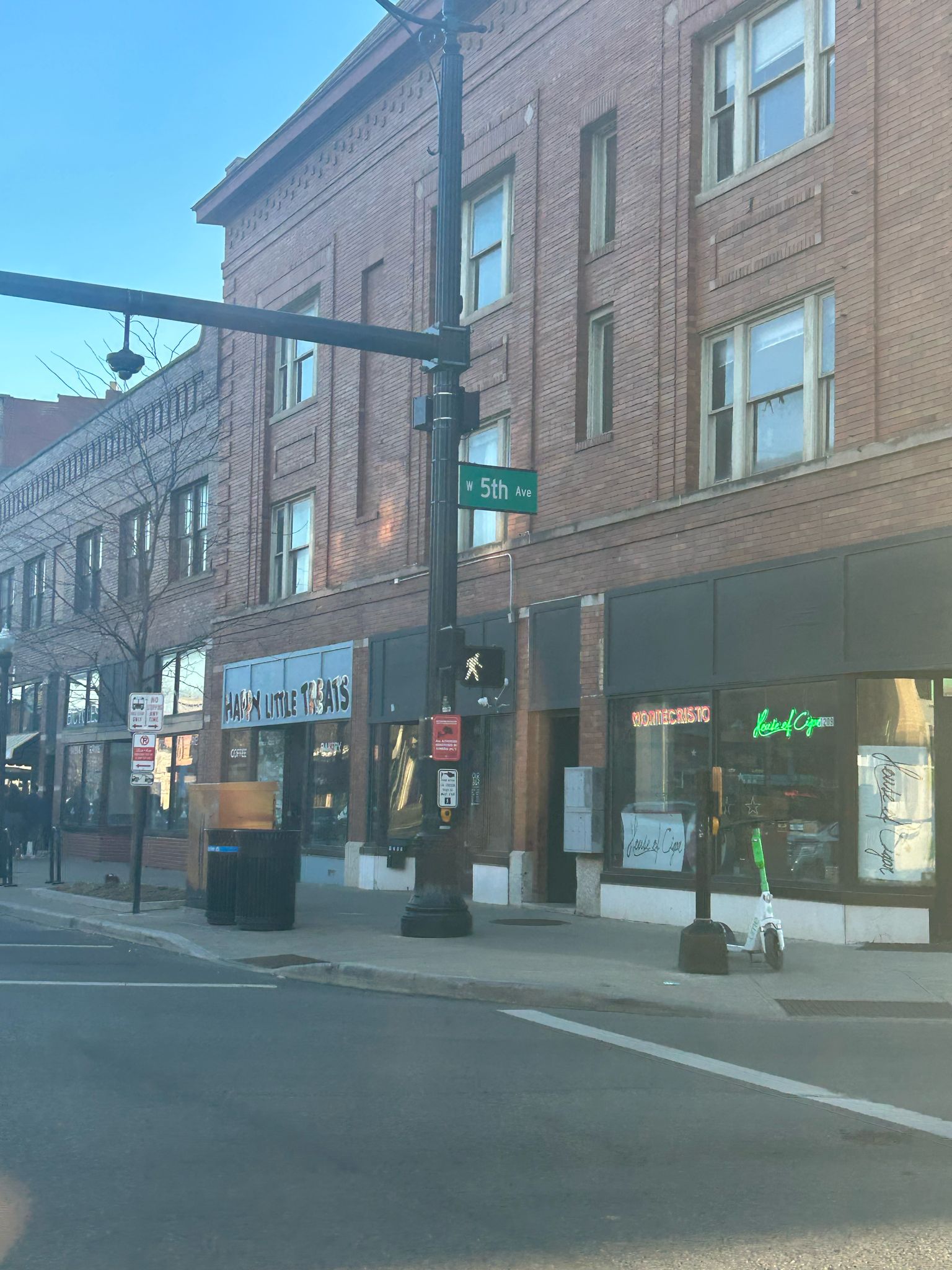
Published:
OSU math building, 03/22/24 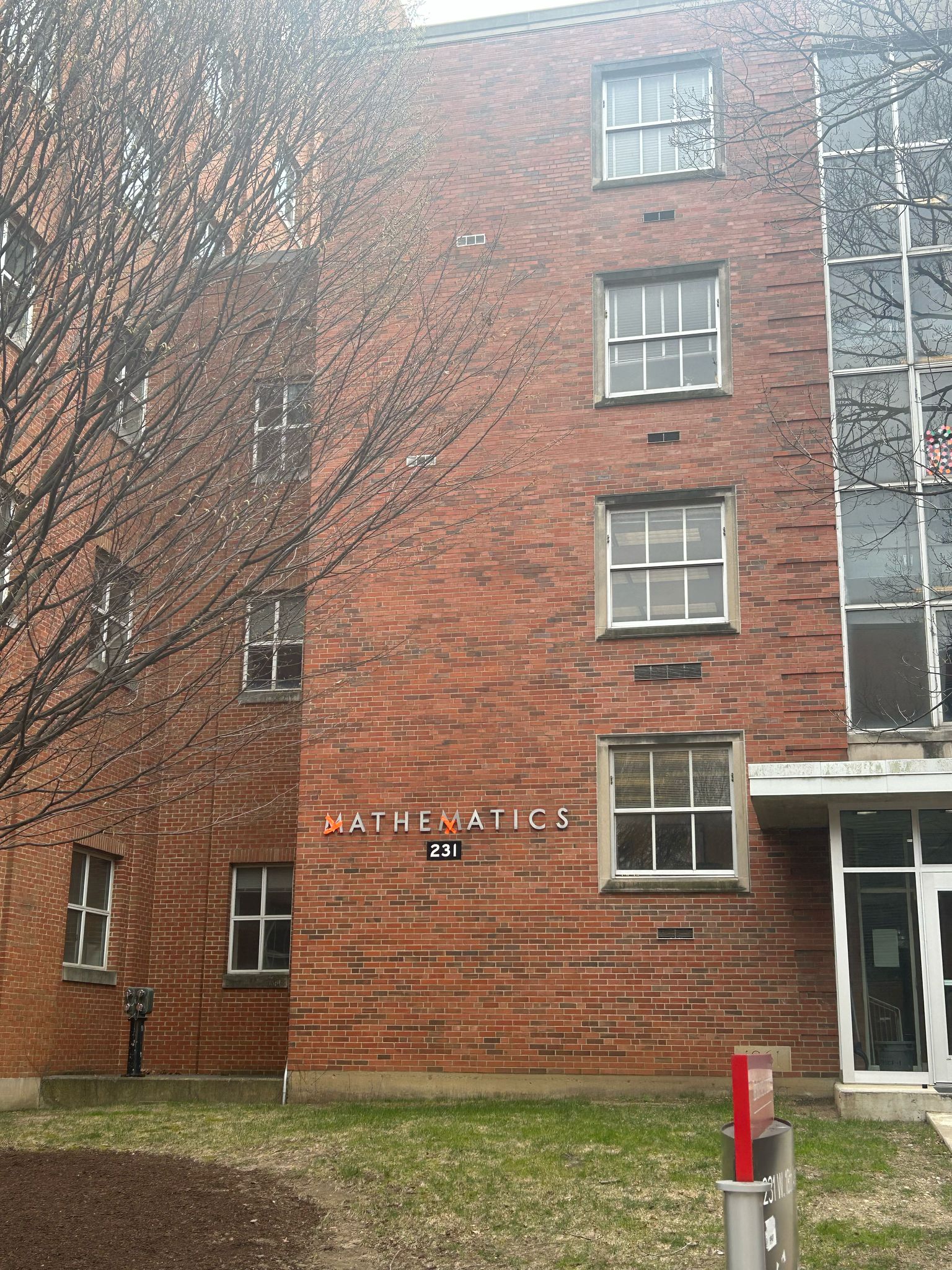
Published:
short north, 03/22/24 
Published:
pier 39 #1, 03/26/24 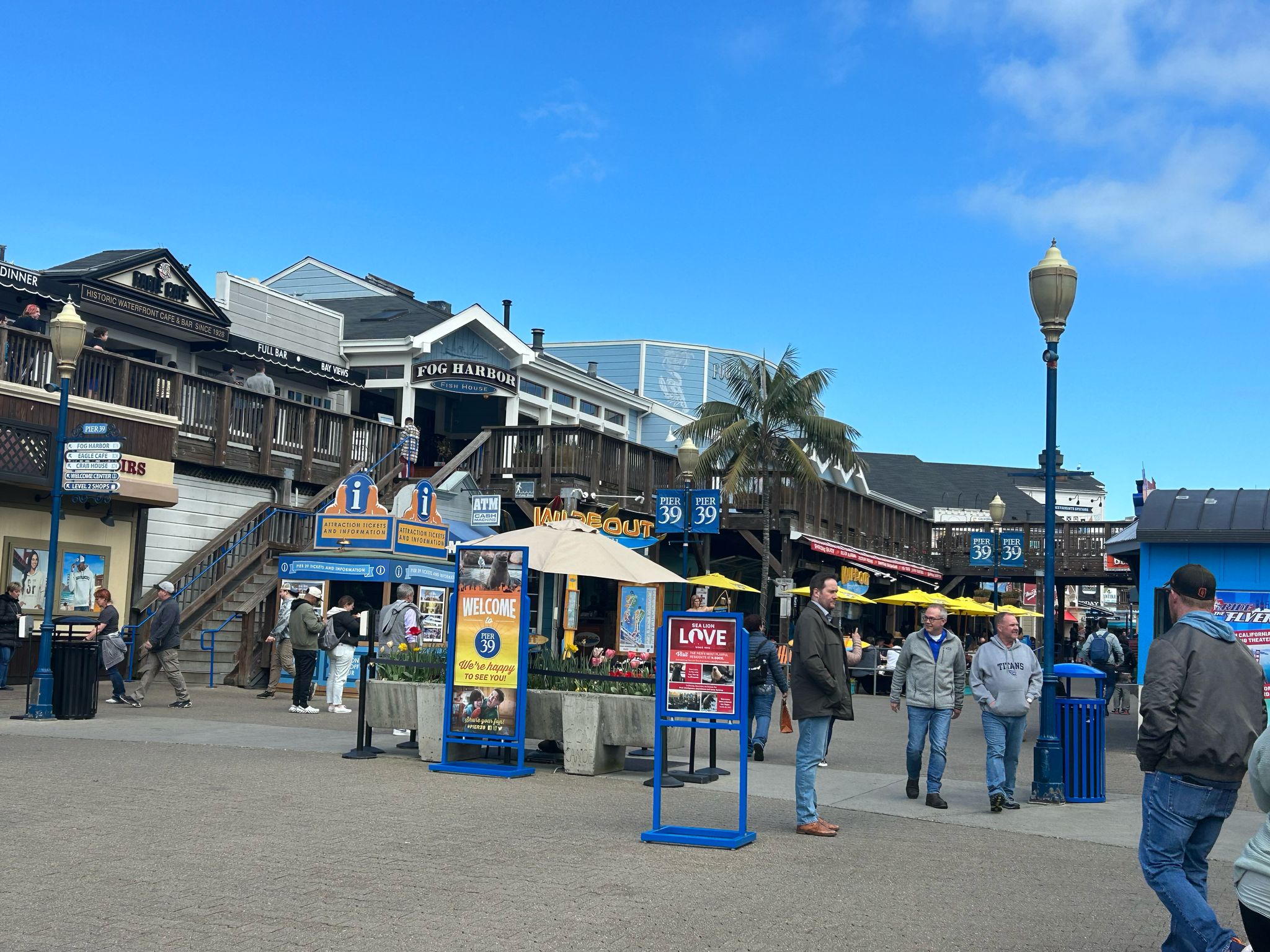
Published:
pier 39 #2, 03/26/24 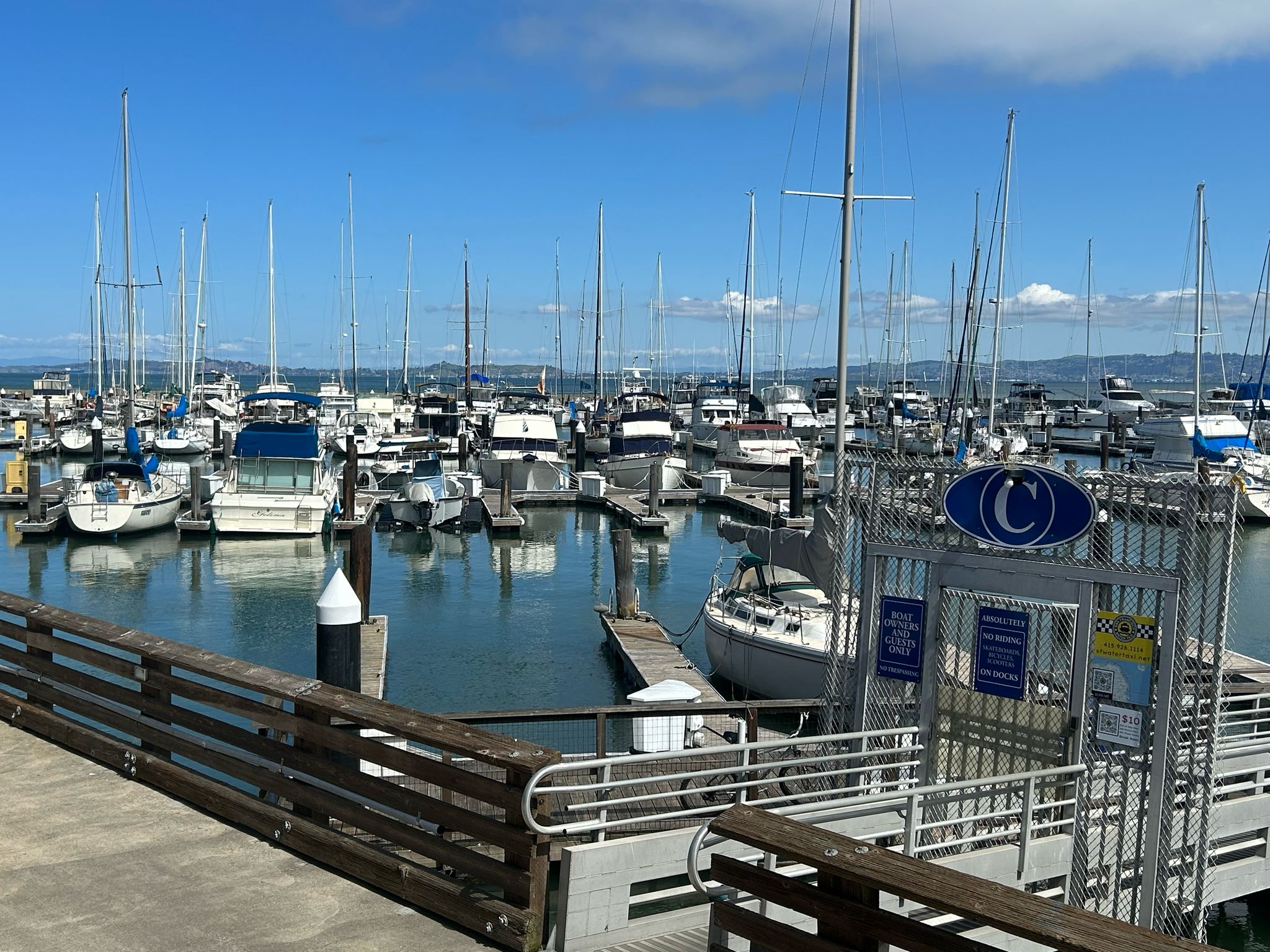
Published:
pier 39 #3, 03/26/24 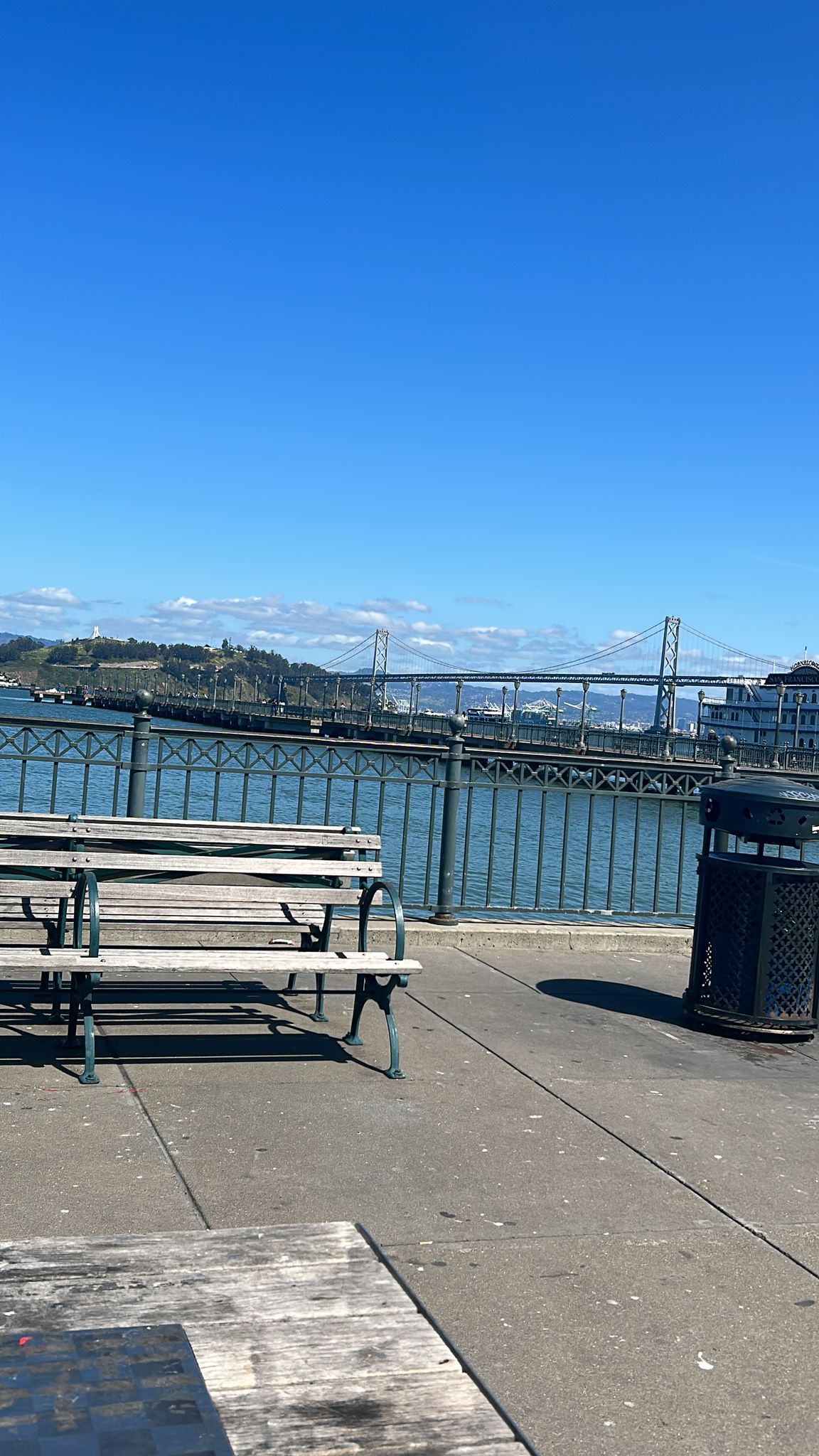
Published:
some buildings, 03/26/24 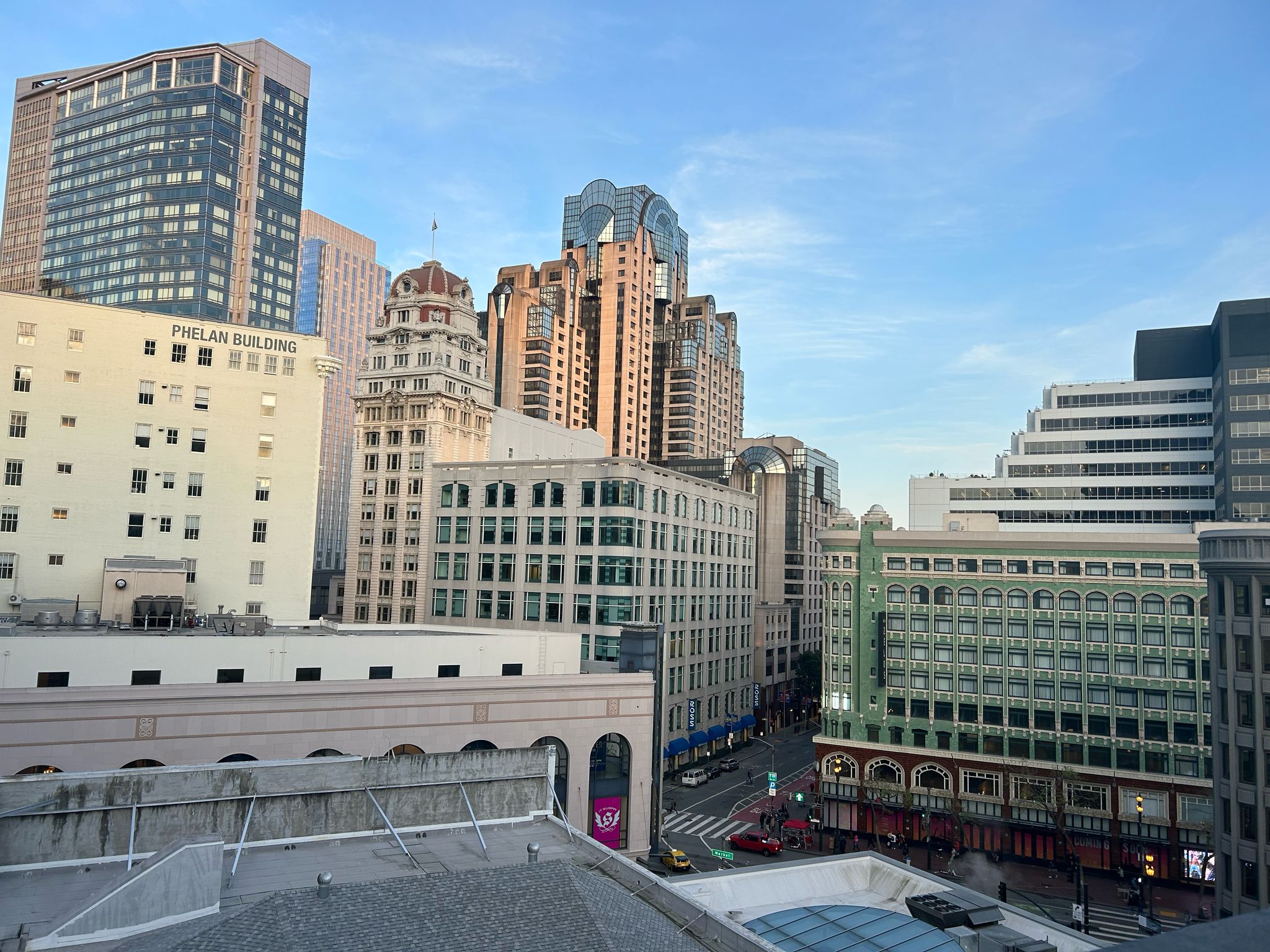
Published:
twin peaks, 03/31/24 
Published:
lands end, 04/01/24 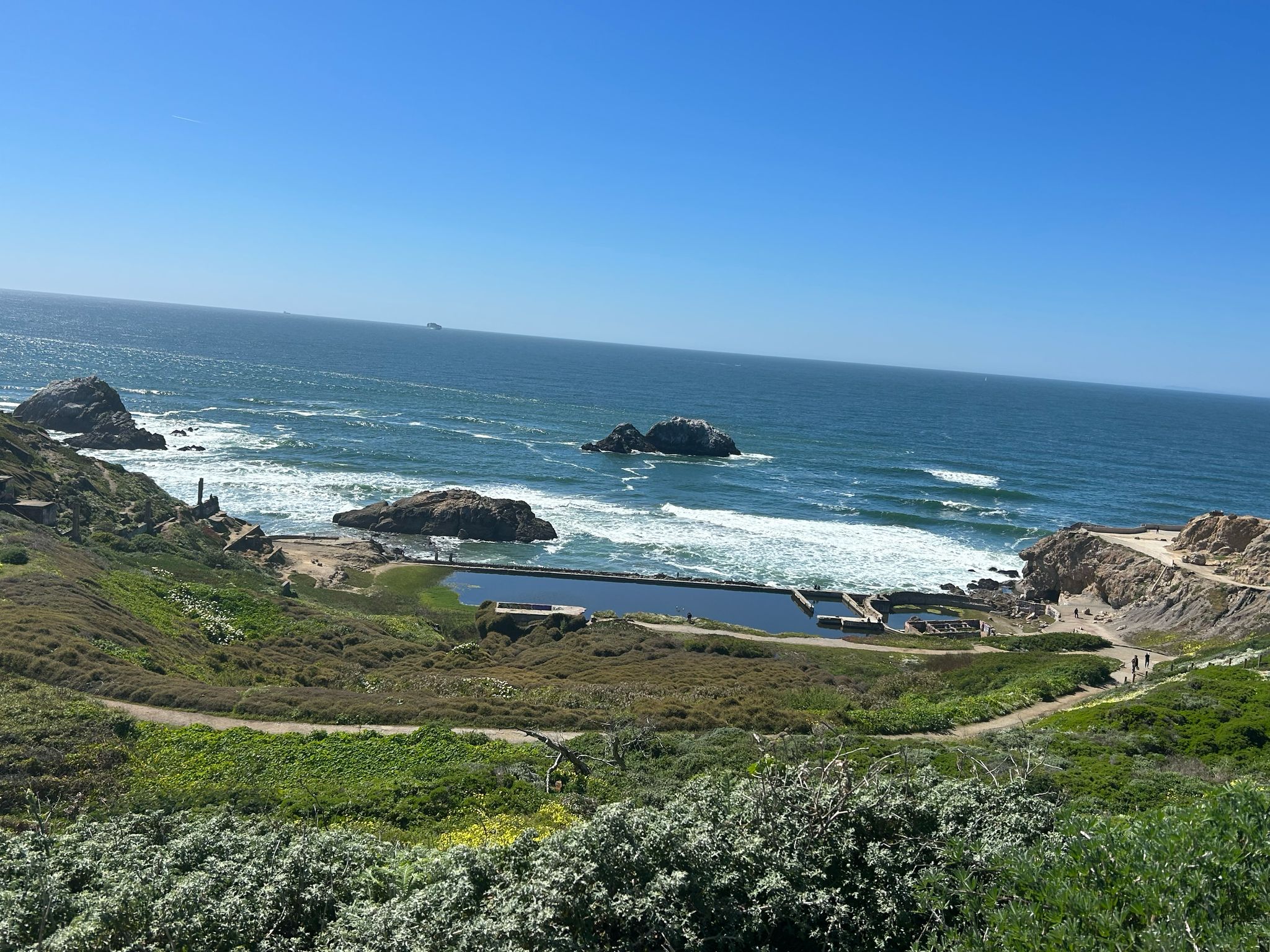
Published:
an aerial view of los angeles, 9/14/23 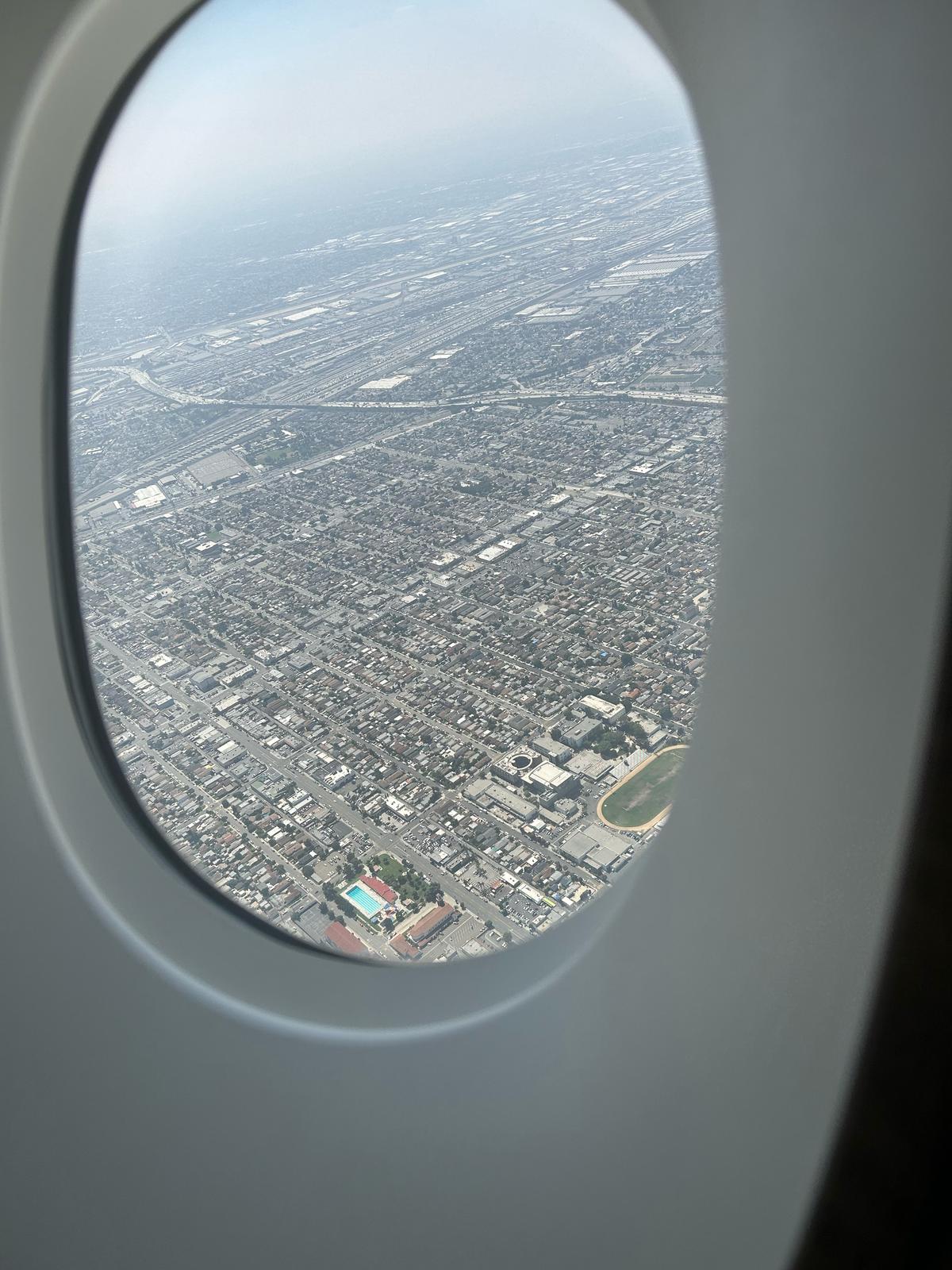
Published:
blur, 06/15/24 
Published:
a fountain in columbus, 07/02/24 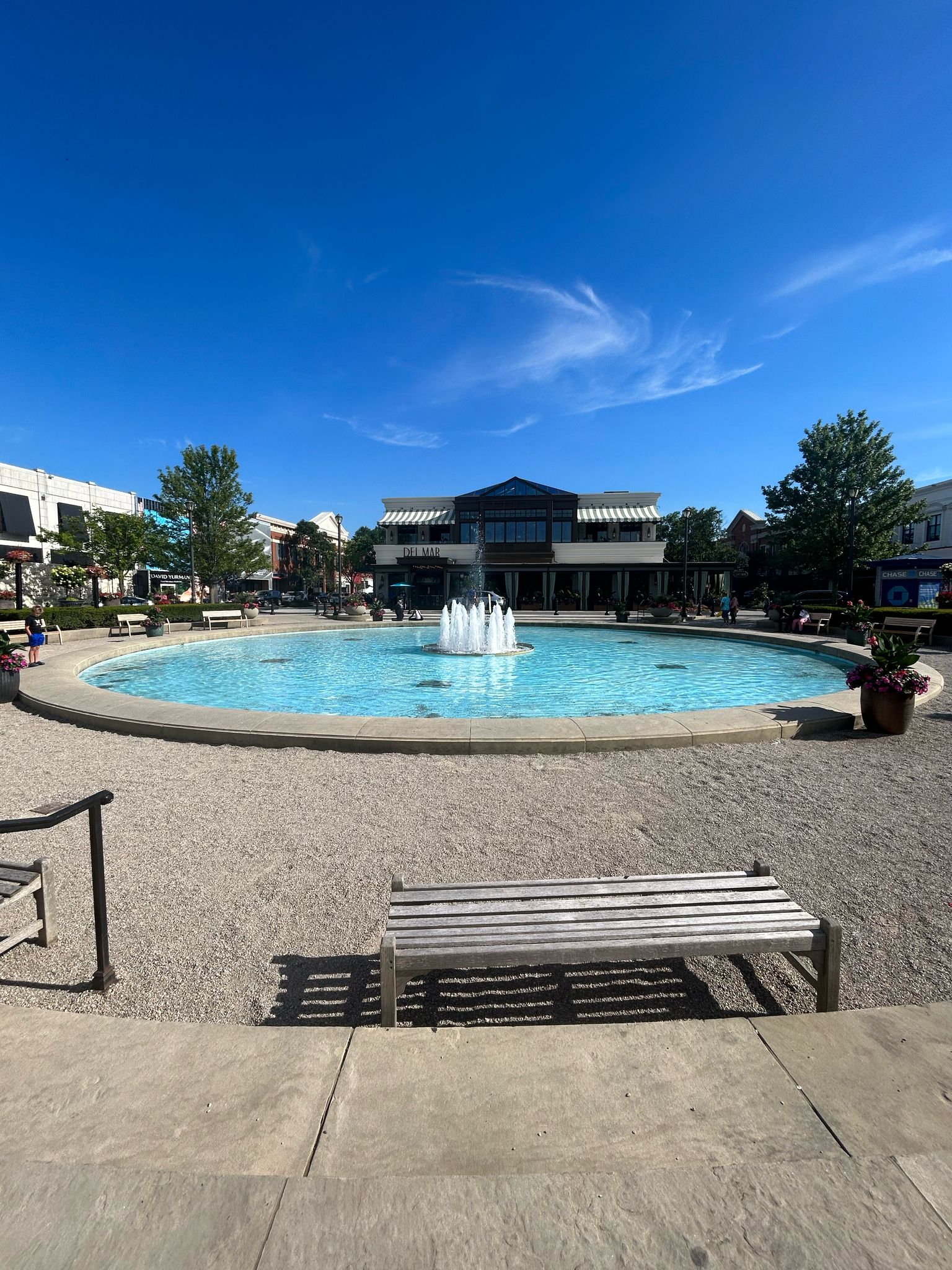
Published:
an amphitheatre, 07/12/24 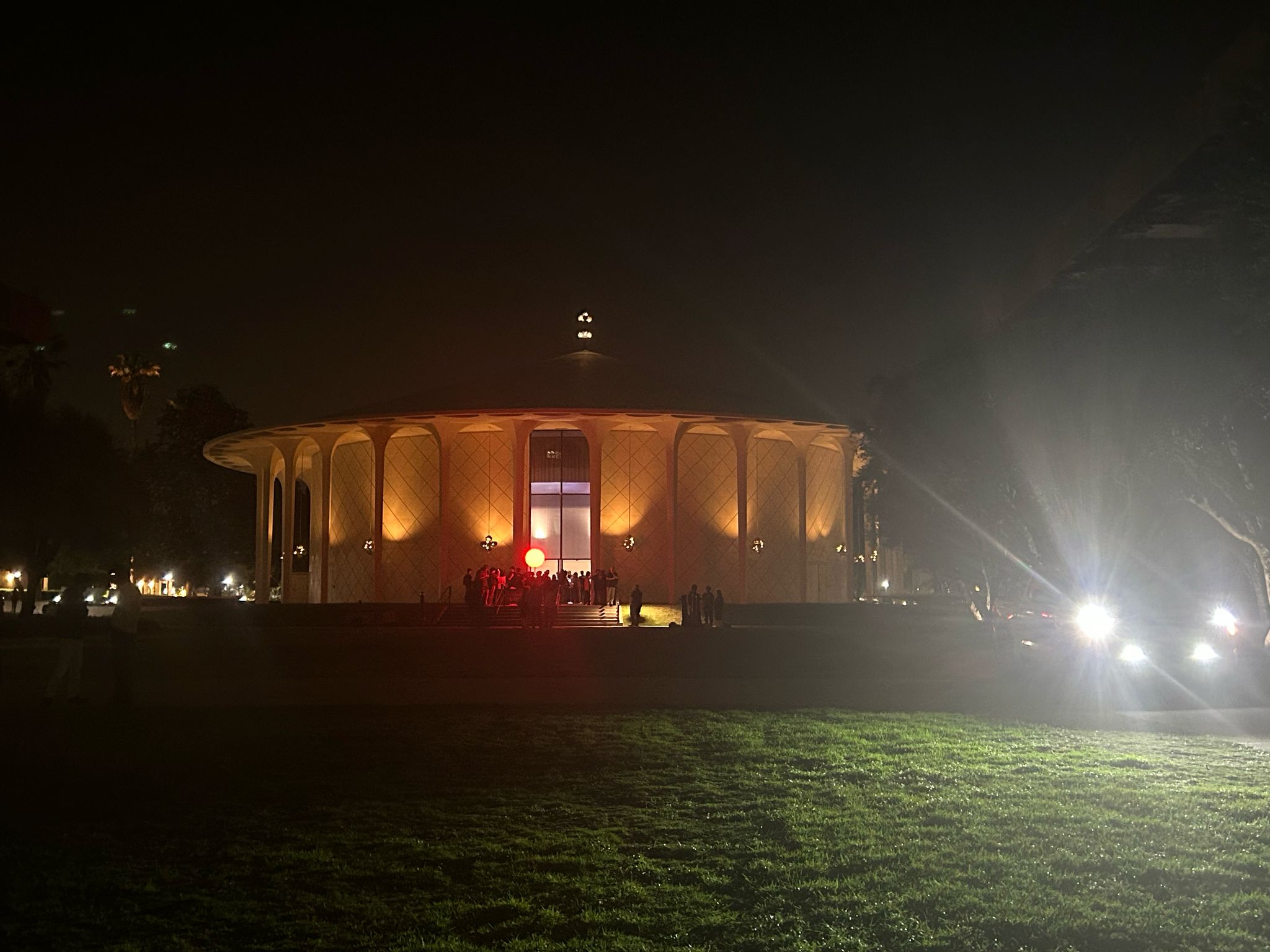
Published:
a fountain without water, 07/27/24 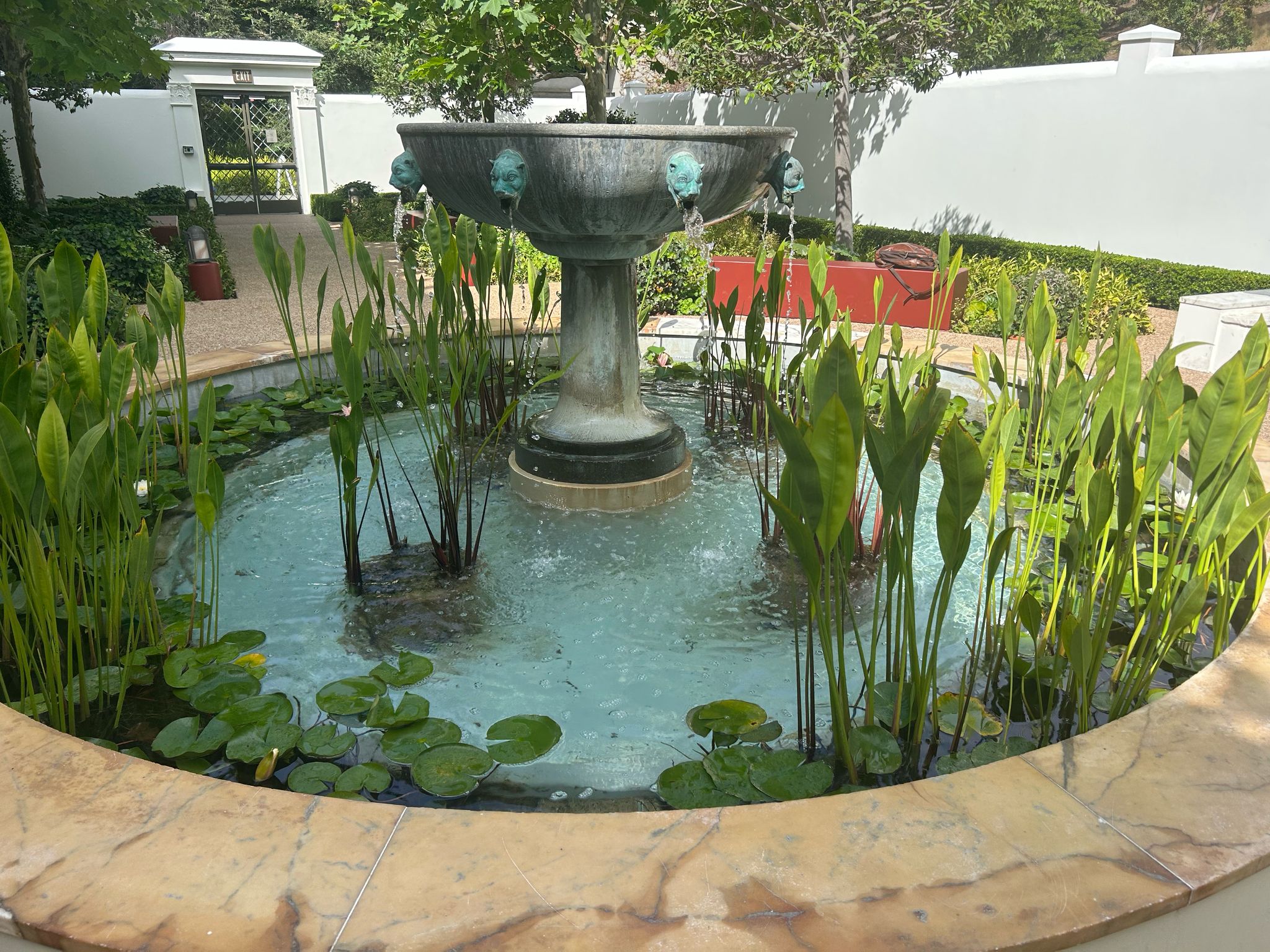
Published:
end of an era, 07/27/24 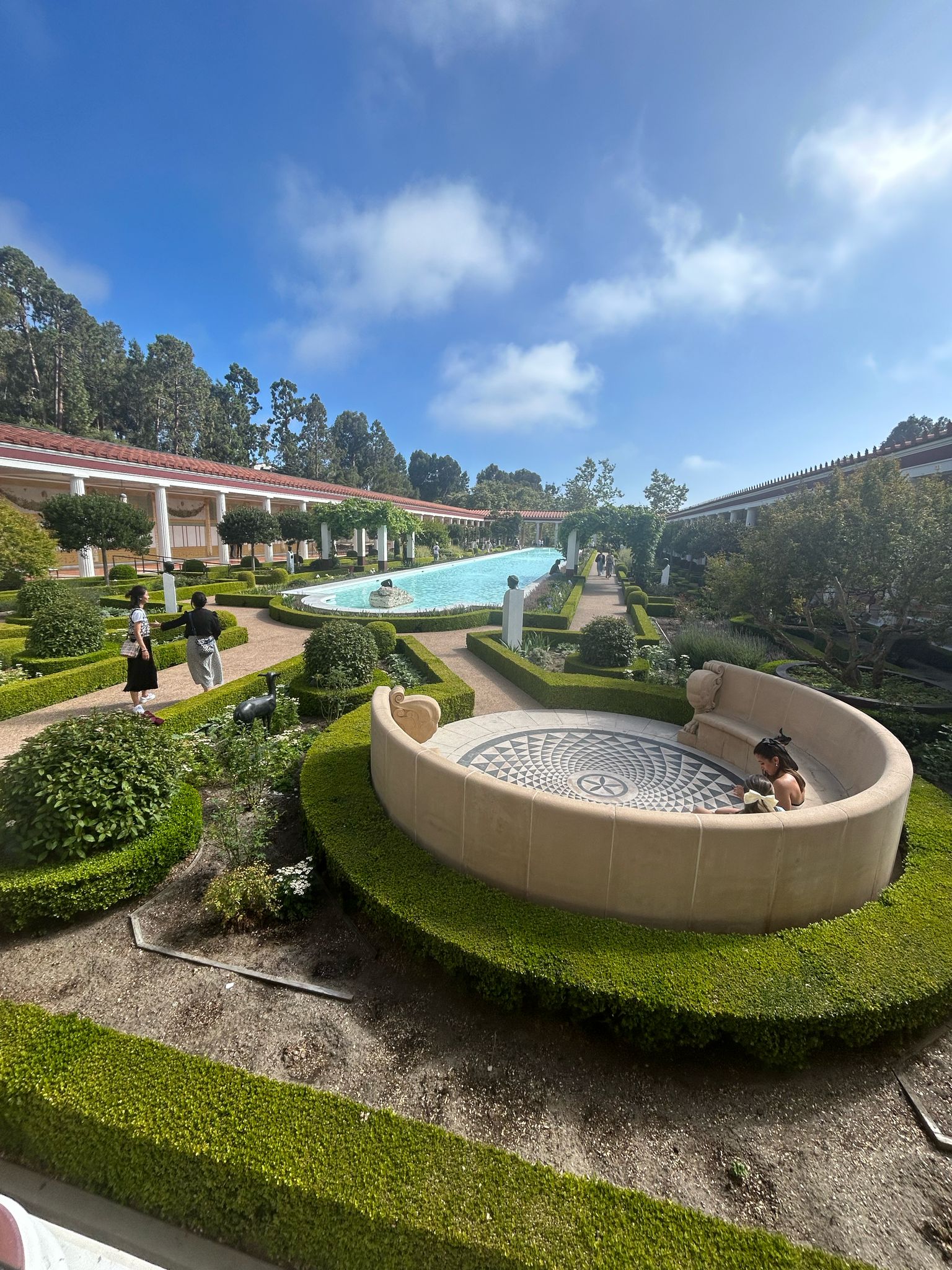
Published:
an aerial view of vegas, 07/30/24 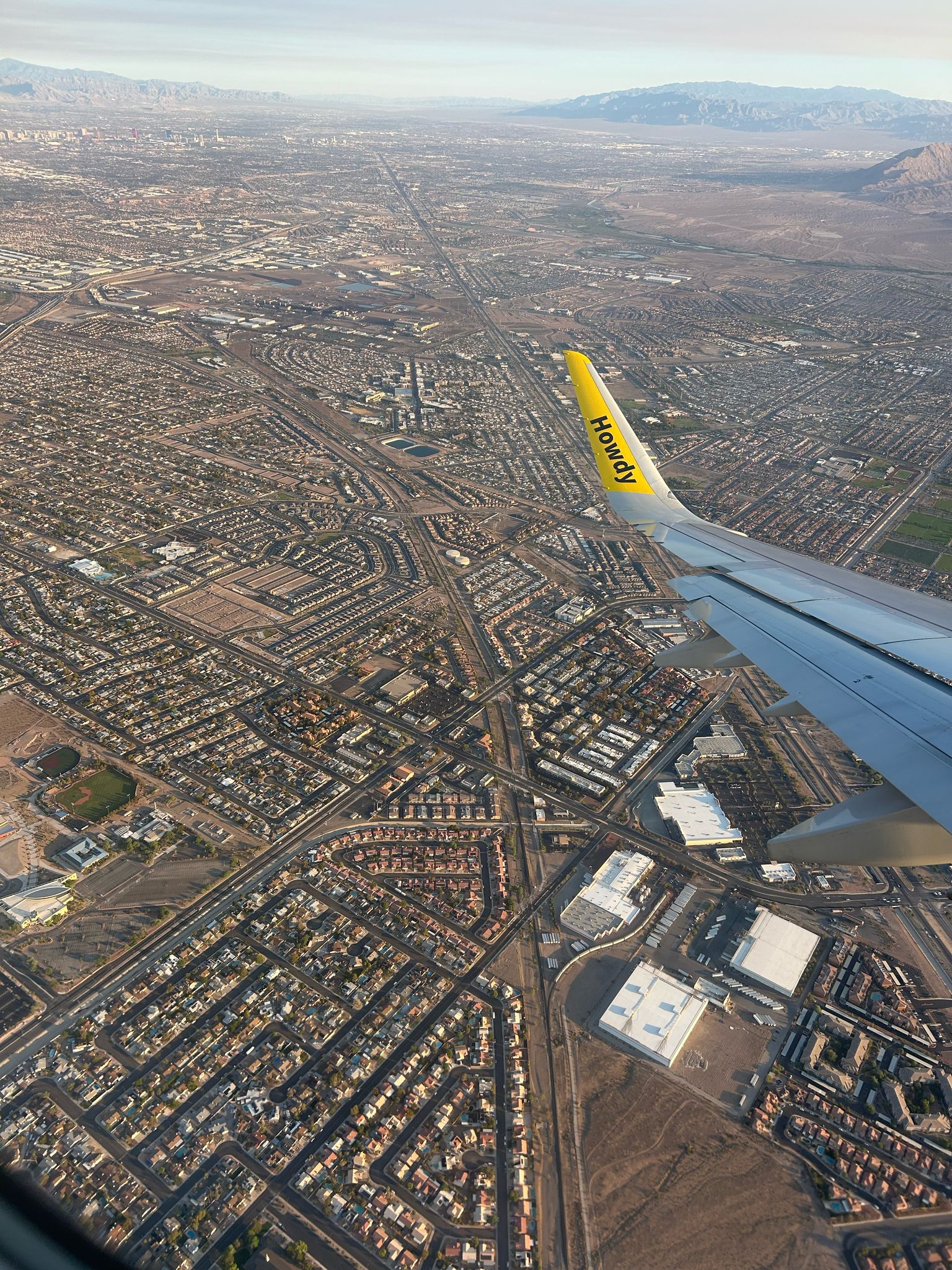
Published:
on fremont, 07/30/24 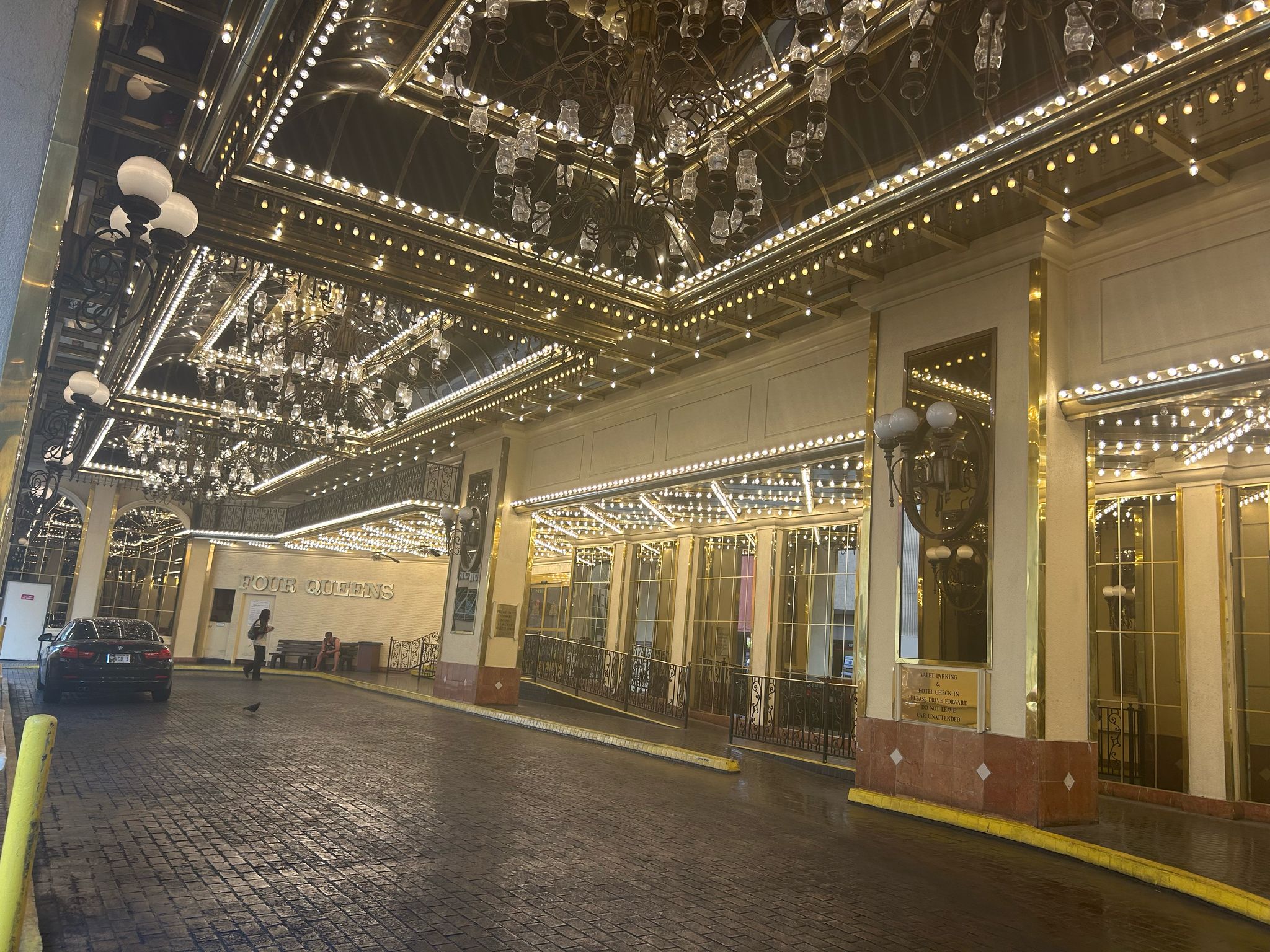
Published:
terminal 1, 07/30/24 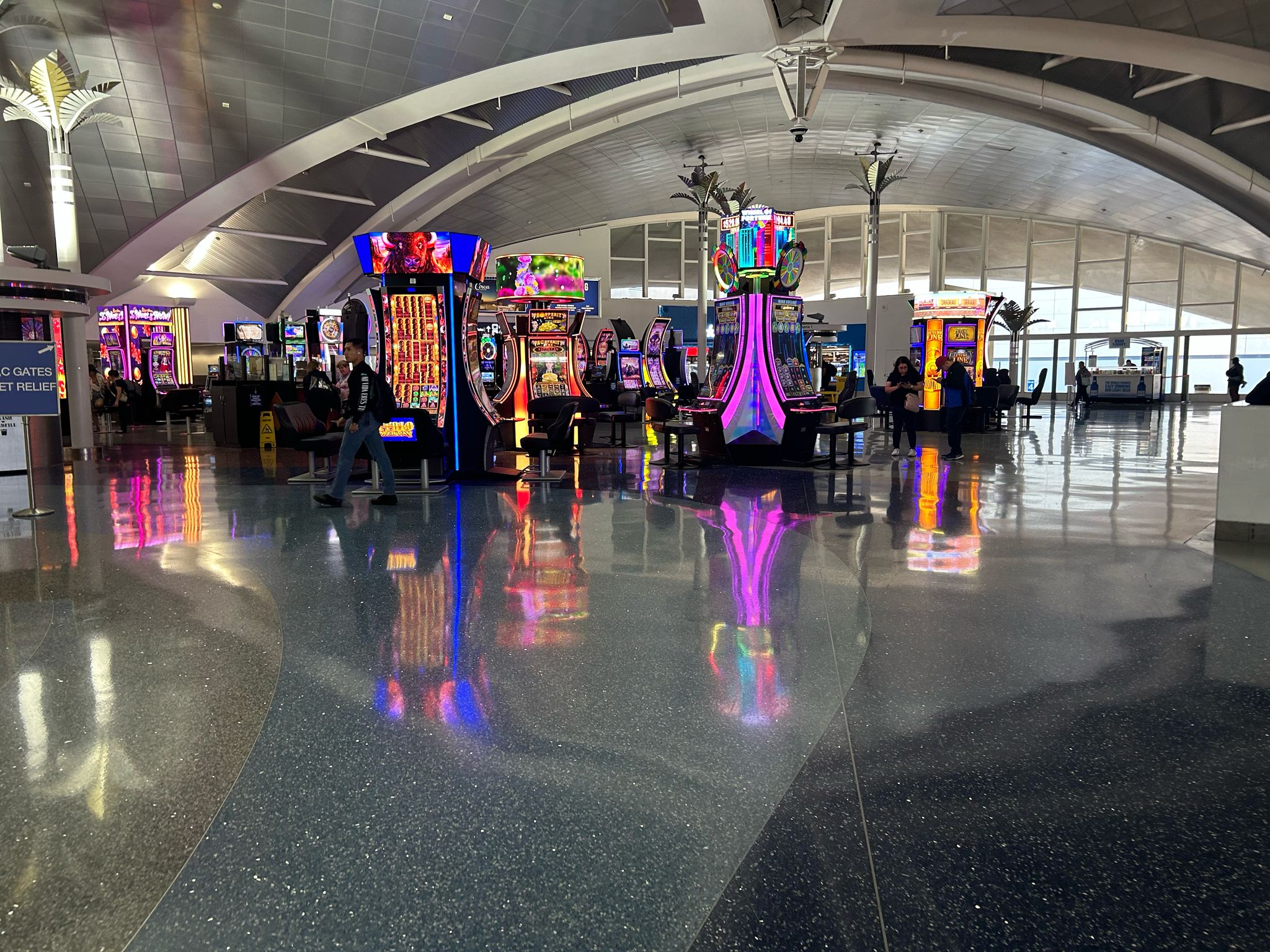
Published:
saint paul, 07/30/24 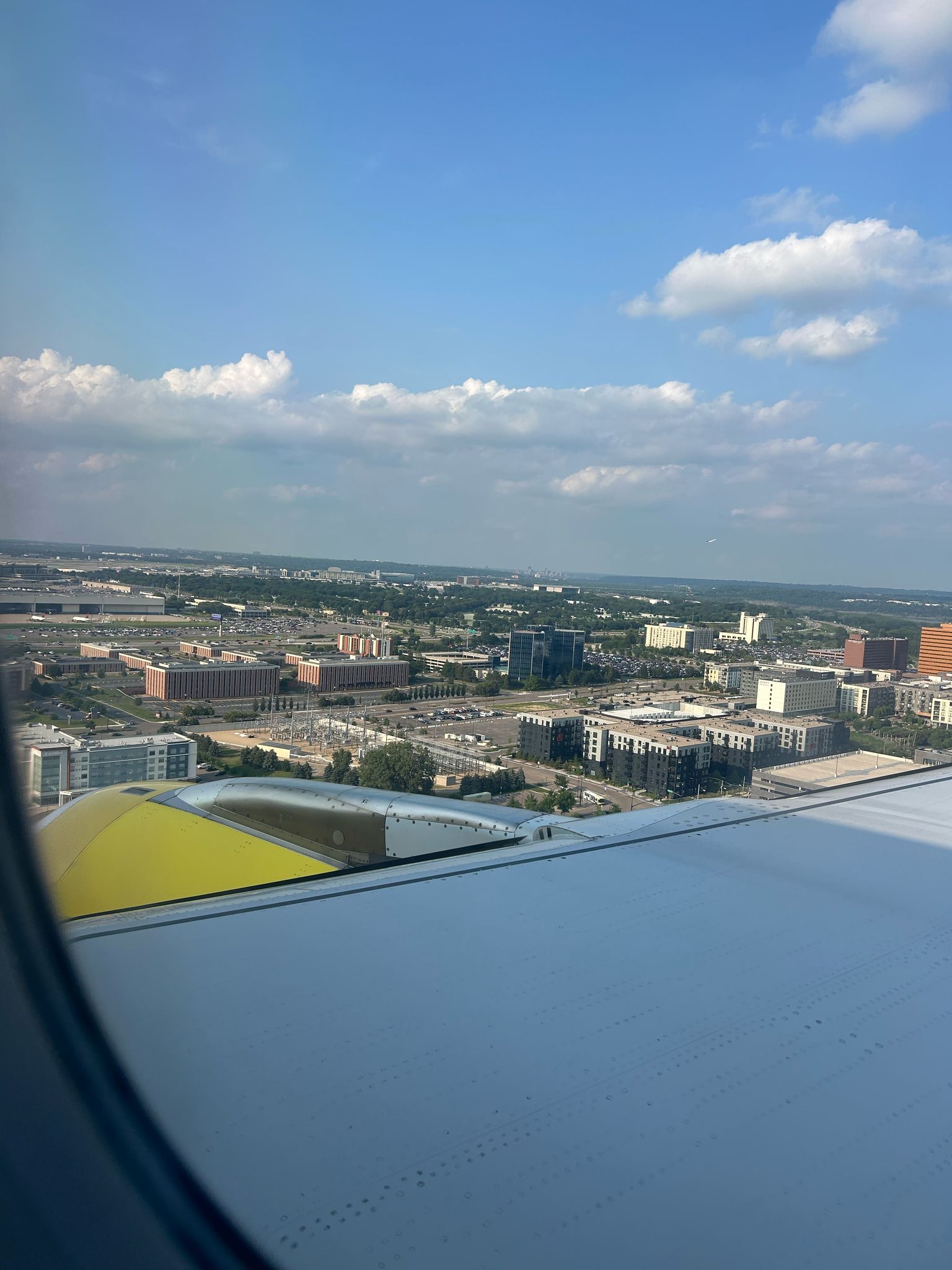
Published:
times square, 08/03/24 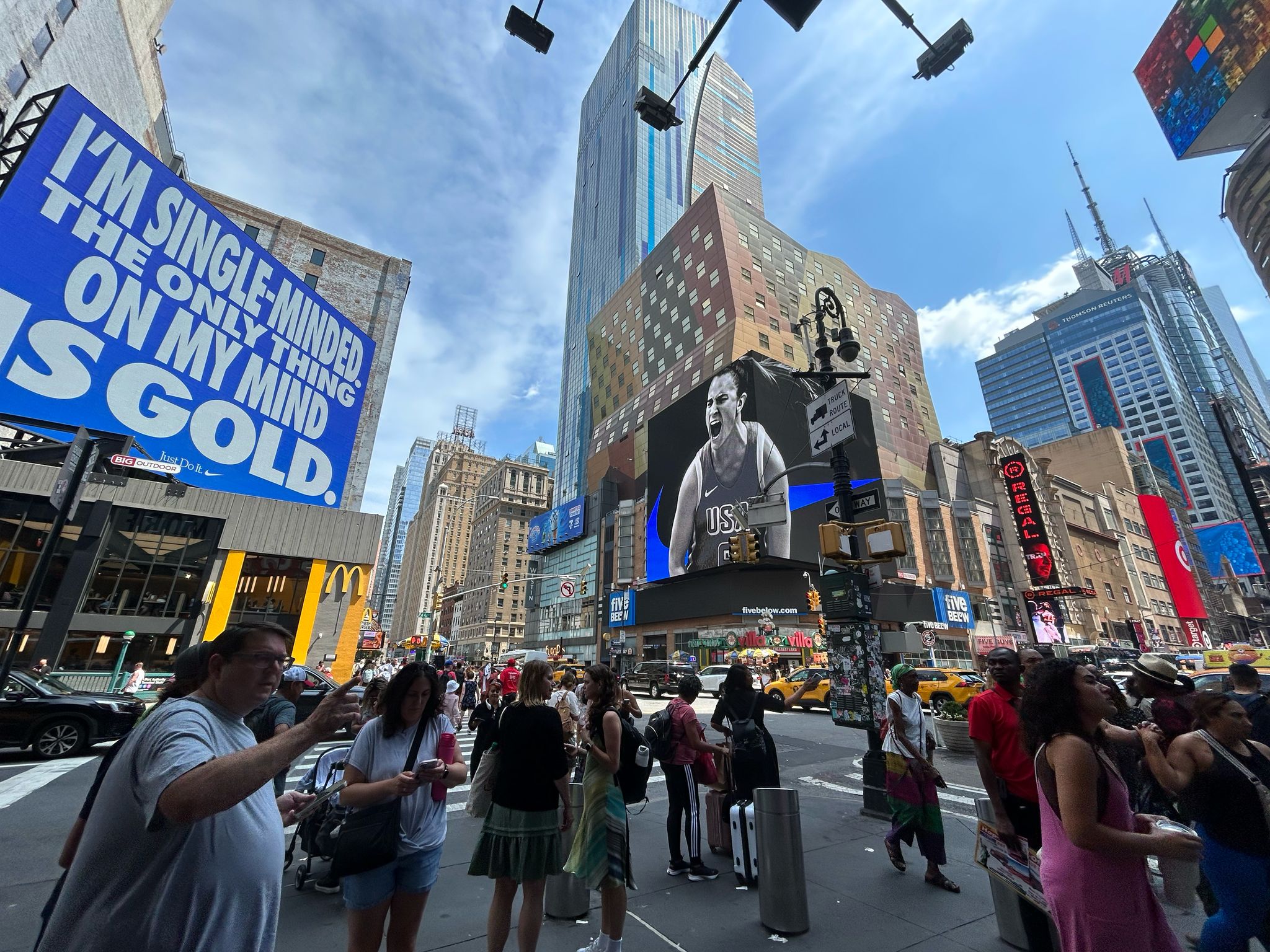
Published:
turtle pond, 09/16/23 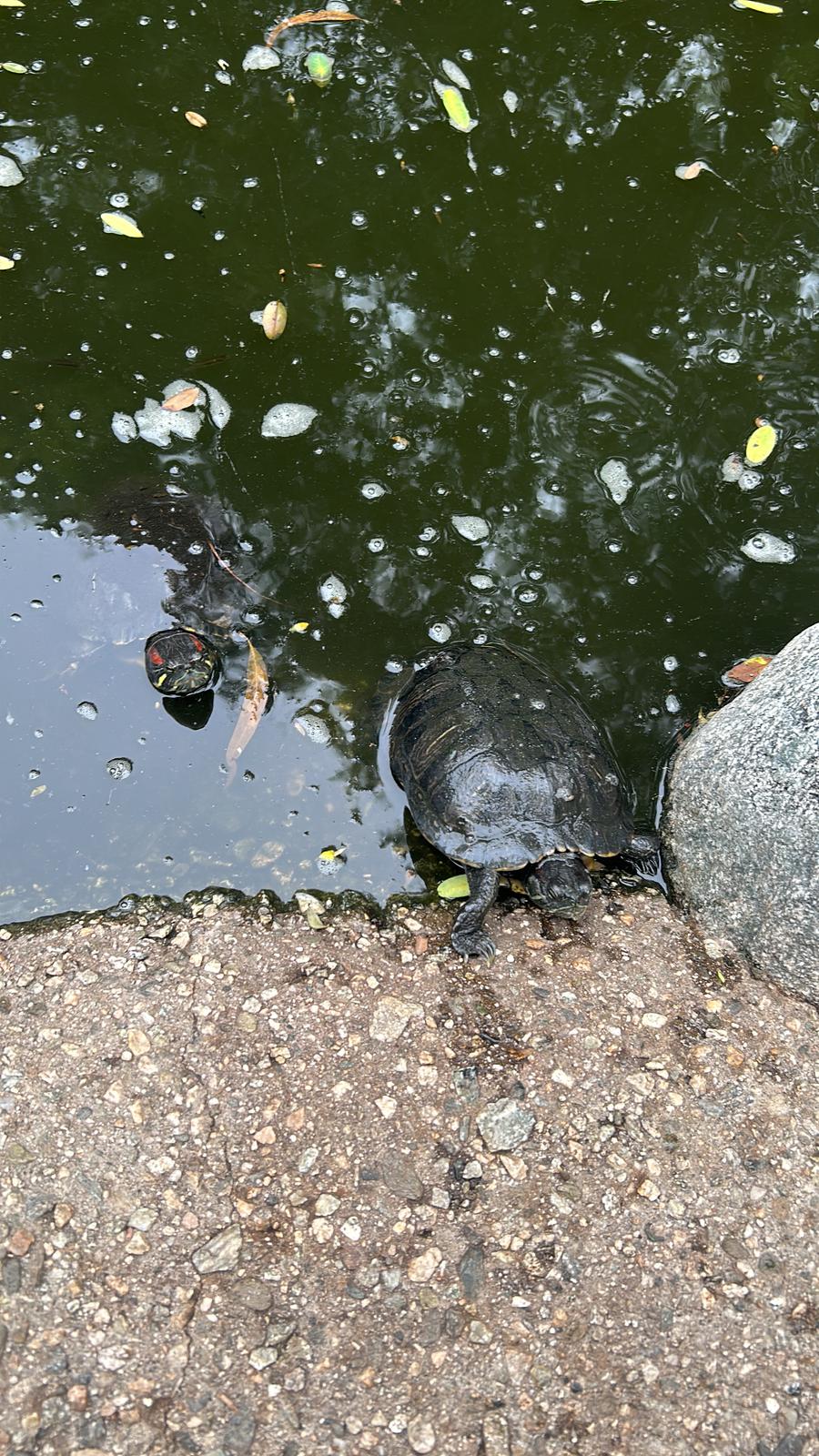
Published:
the US-Canada border, 08/05/24 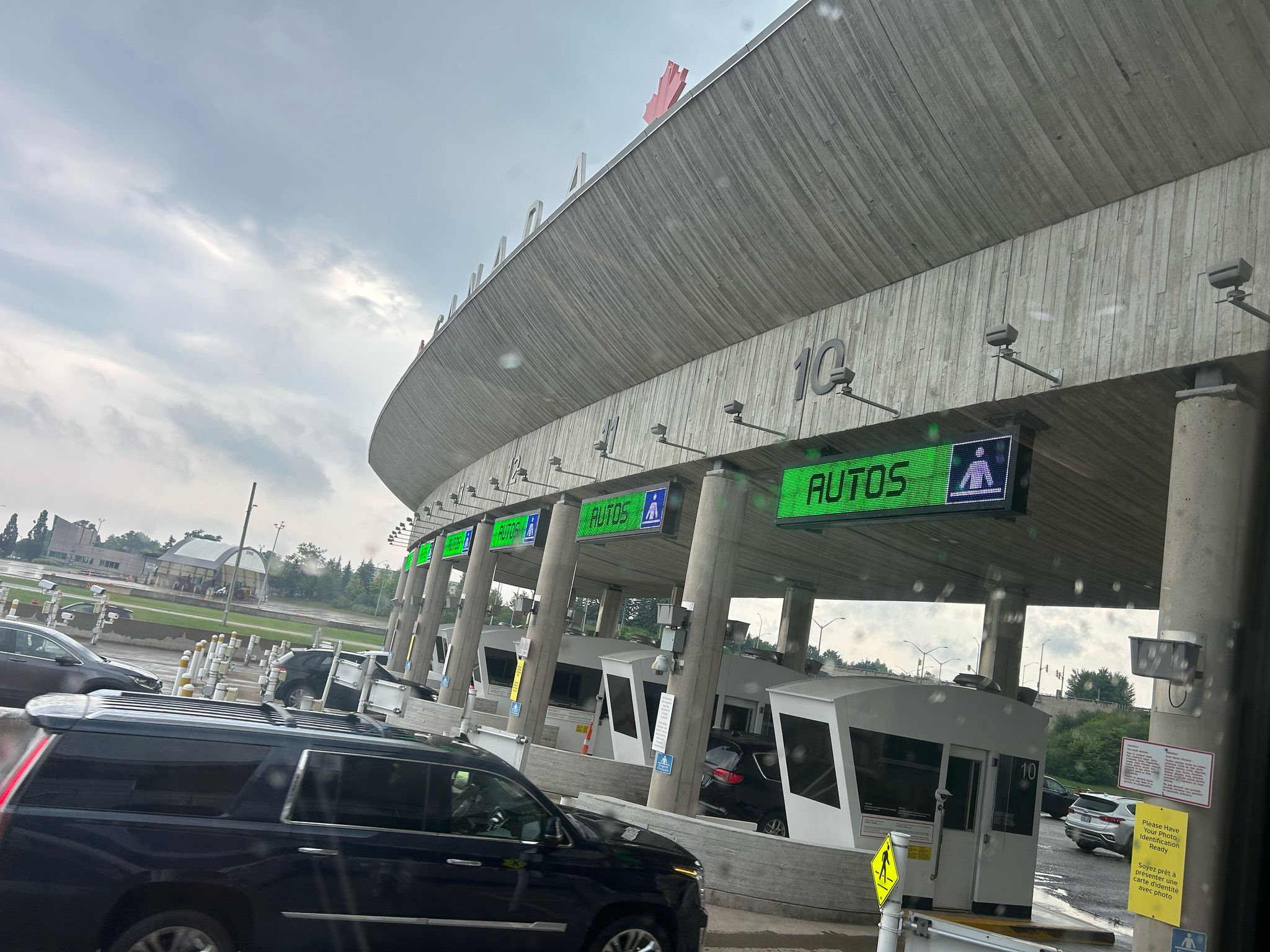
Published:
eatin’ fried rice, 08/07/24 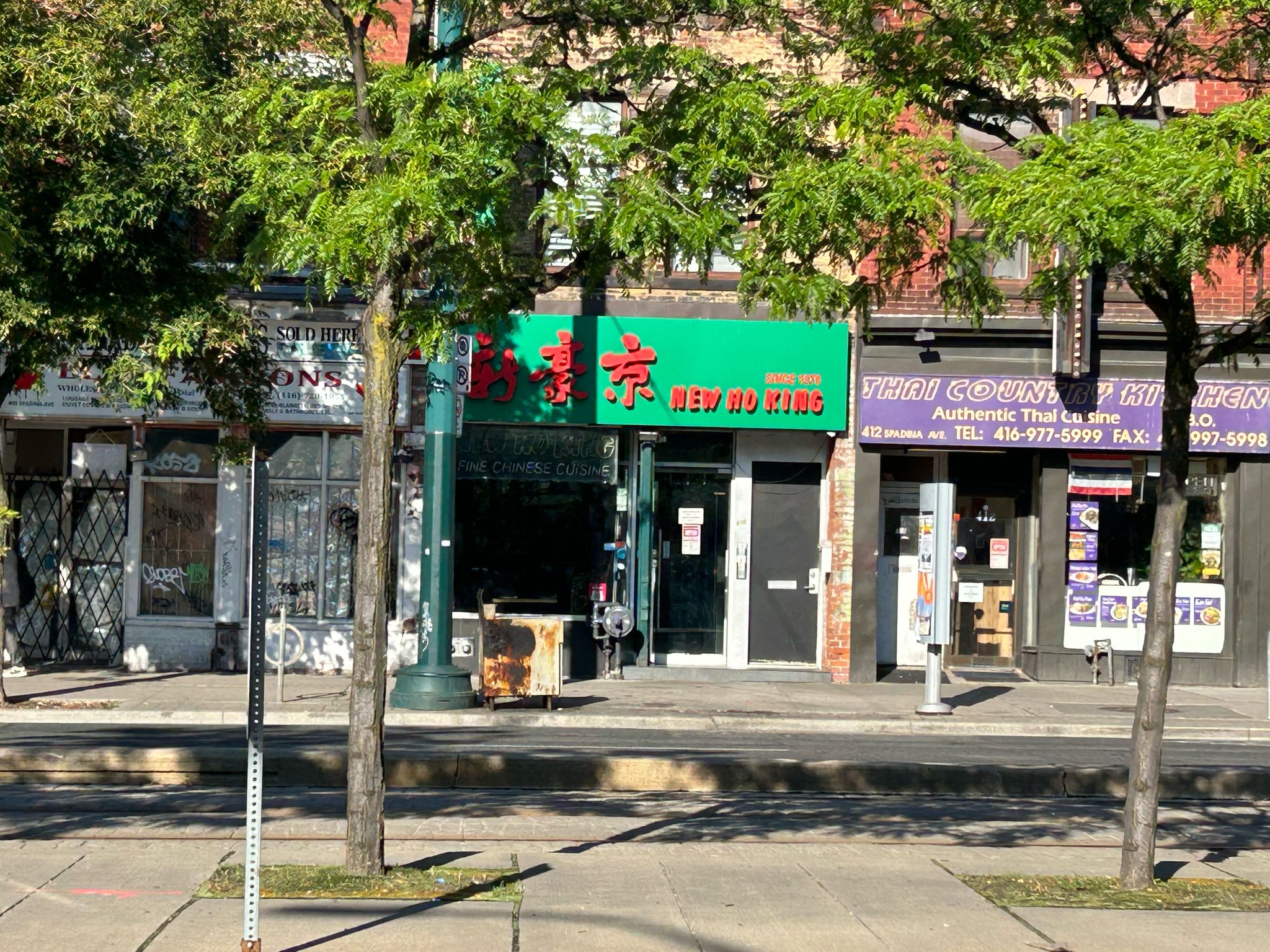
Published:
some art, 08/09/24 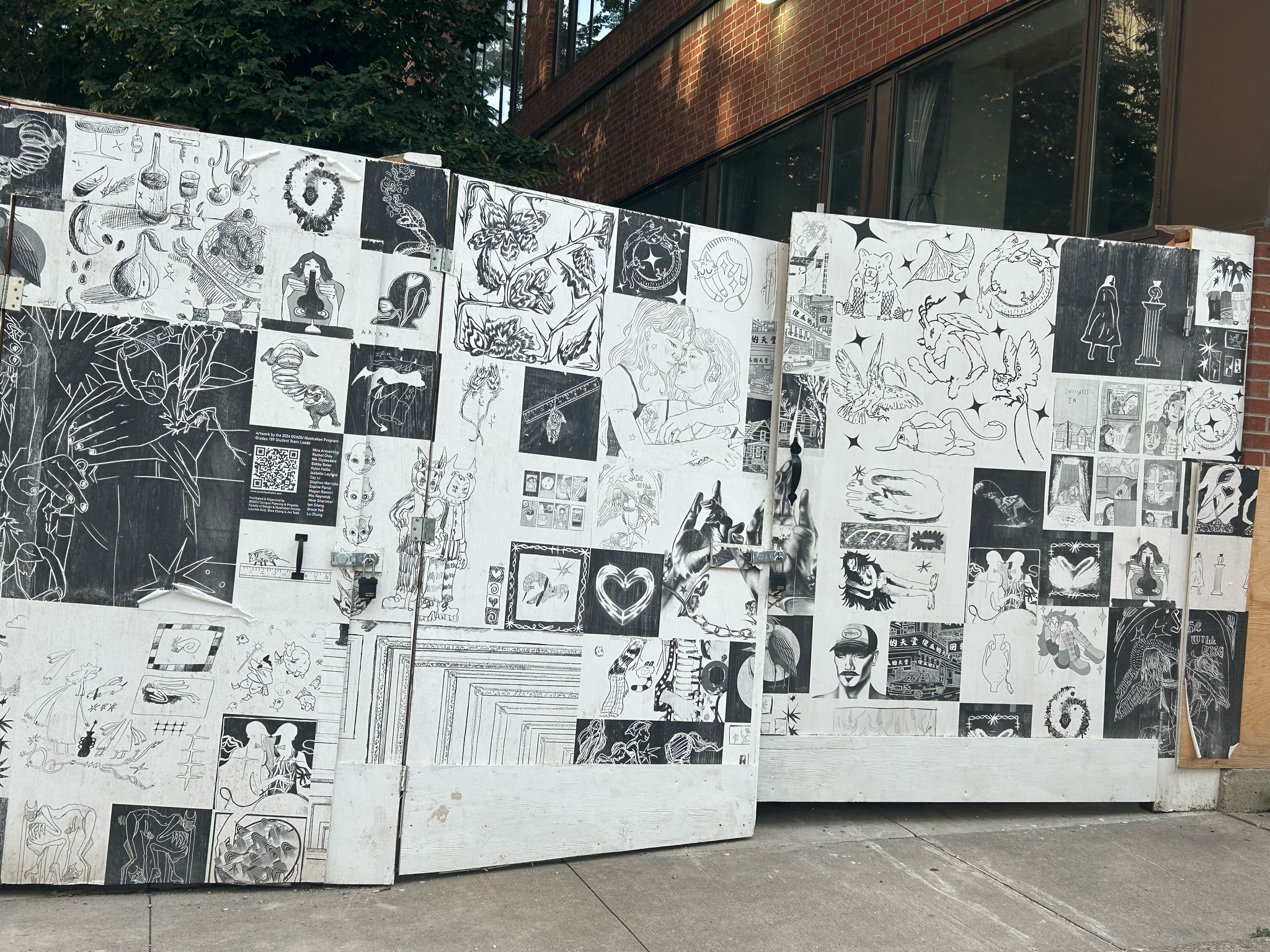
Published:
fields institute, 08/06/24 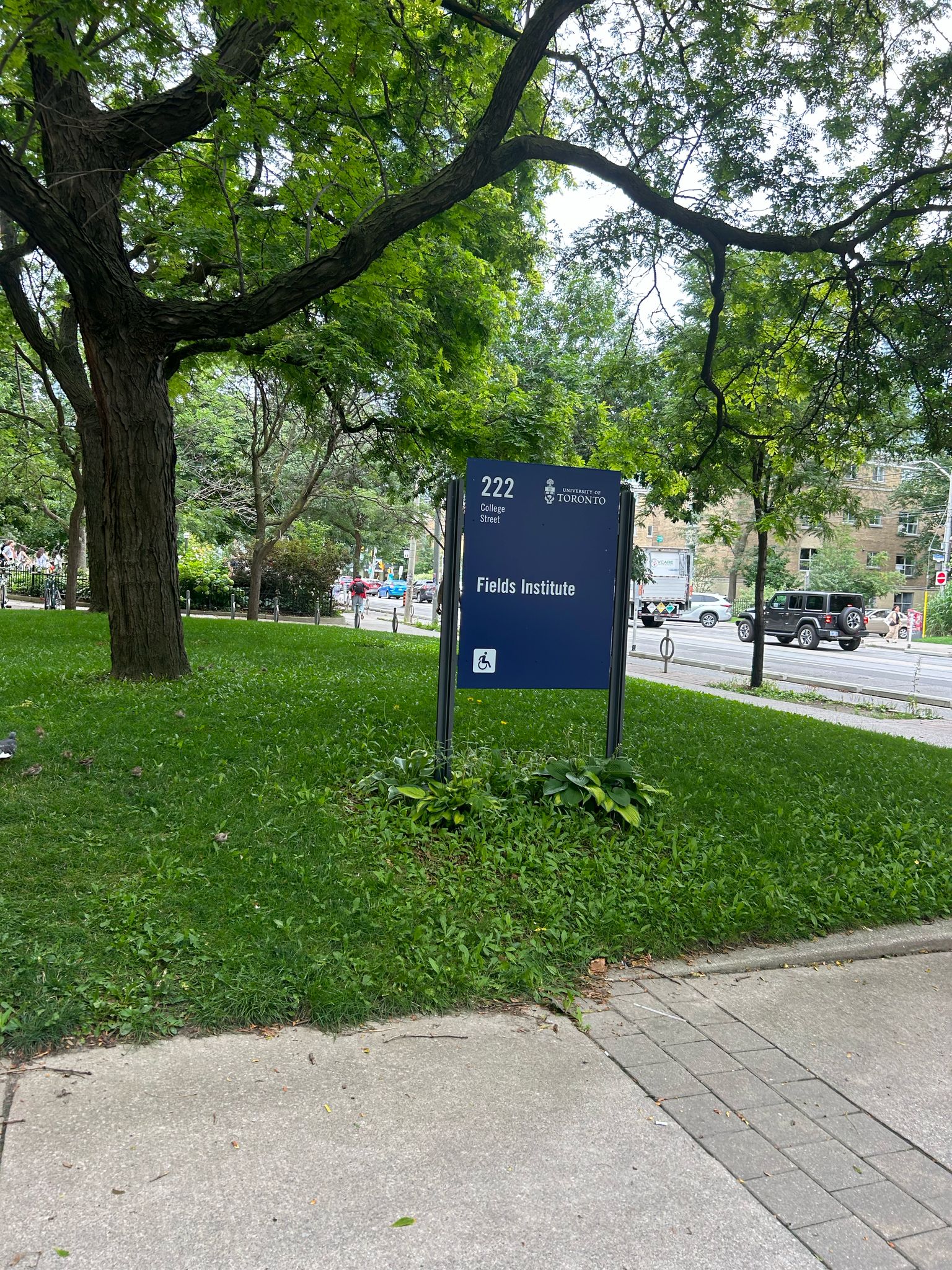
Published:
a tree, 08/15/24 
Published:
toronto, 08/22/24 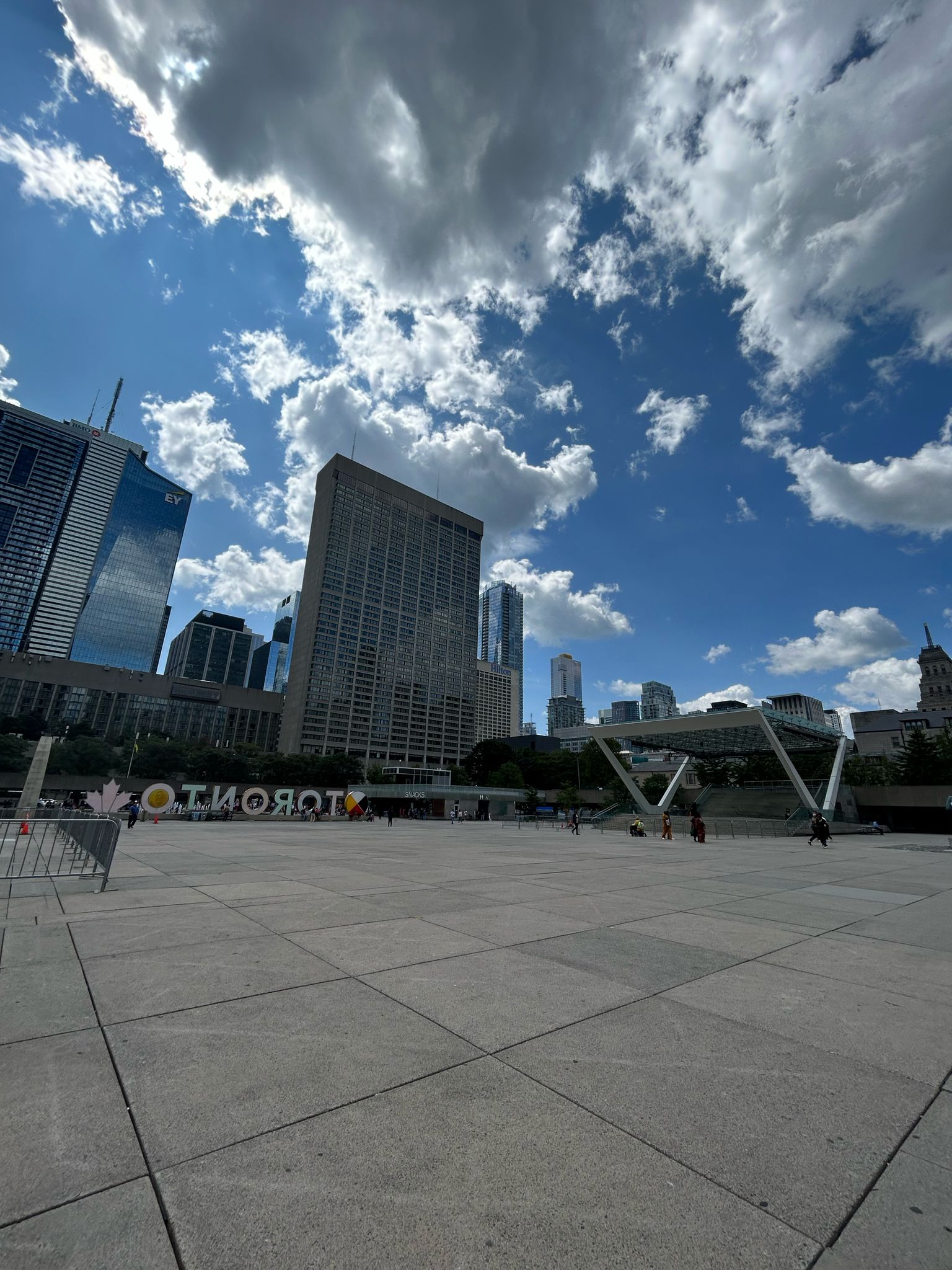
Published:
dundas, 08/23/24 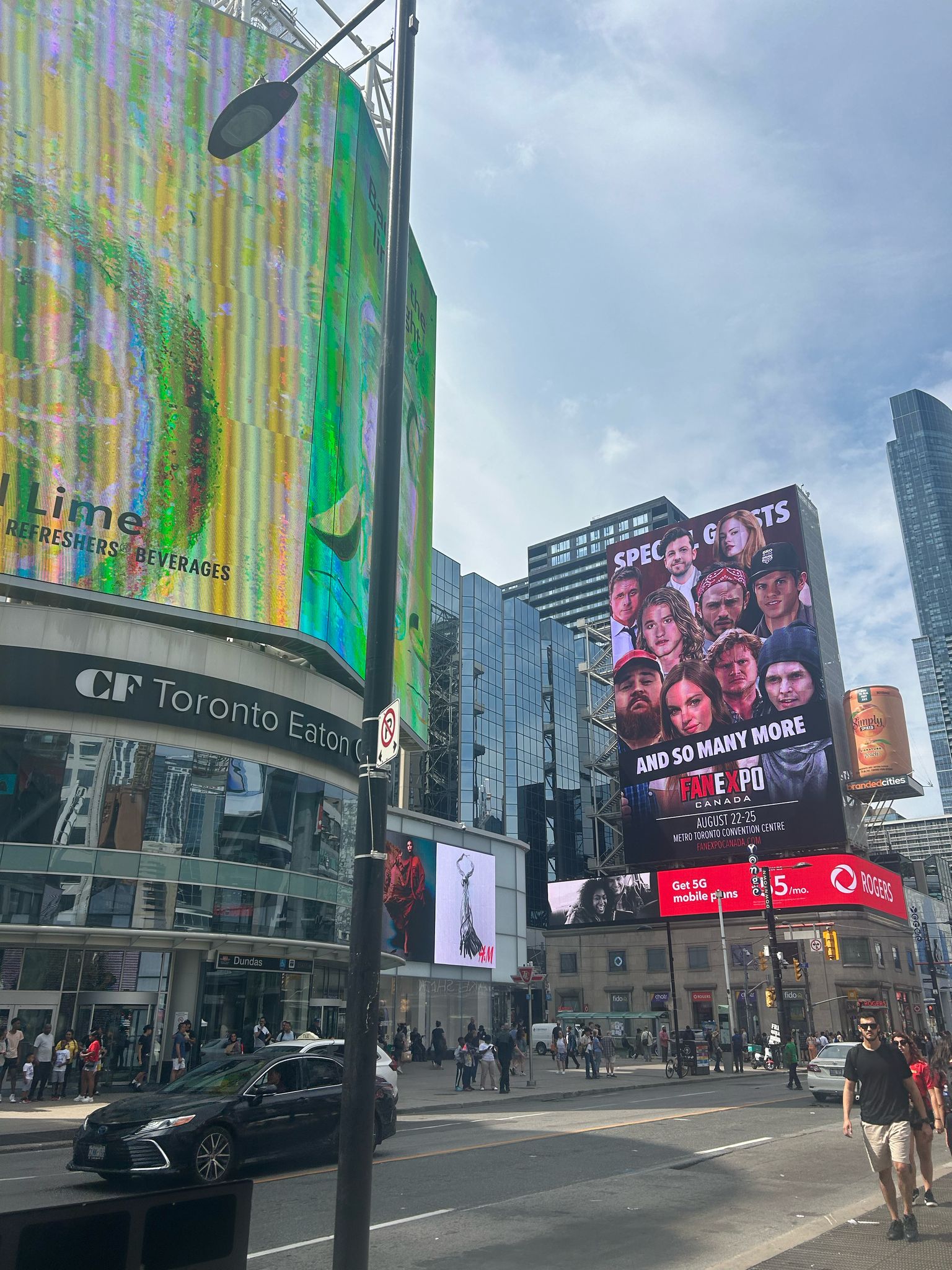
Published:
mice near a bus stop, 08/27/24 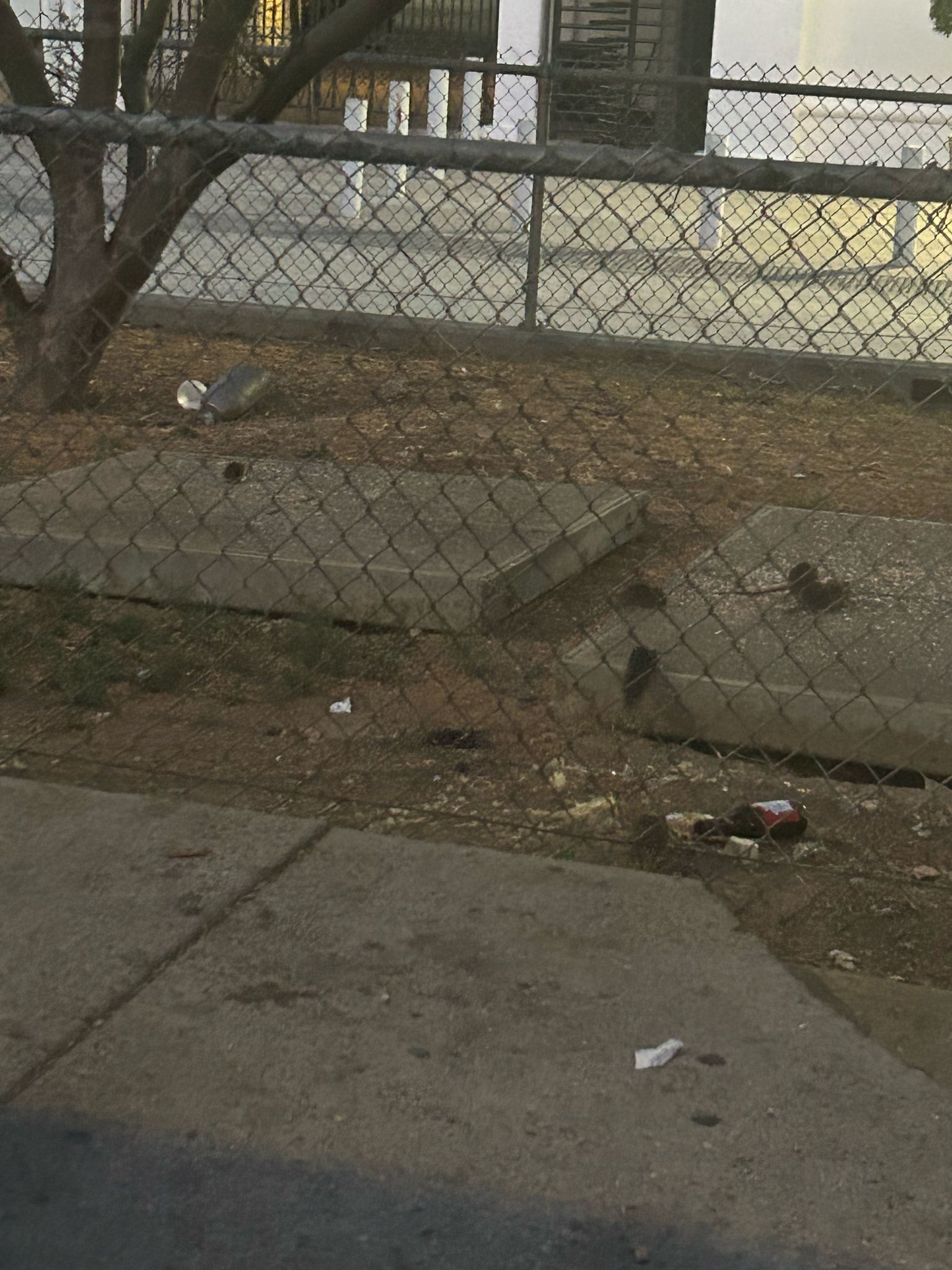
Published:
a day in echo park, 08/30/24 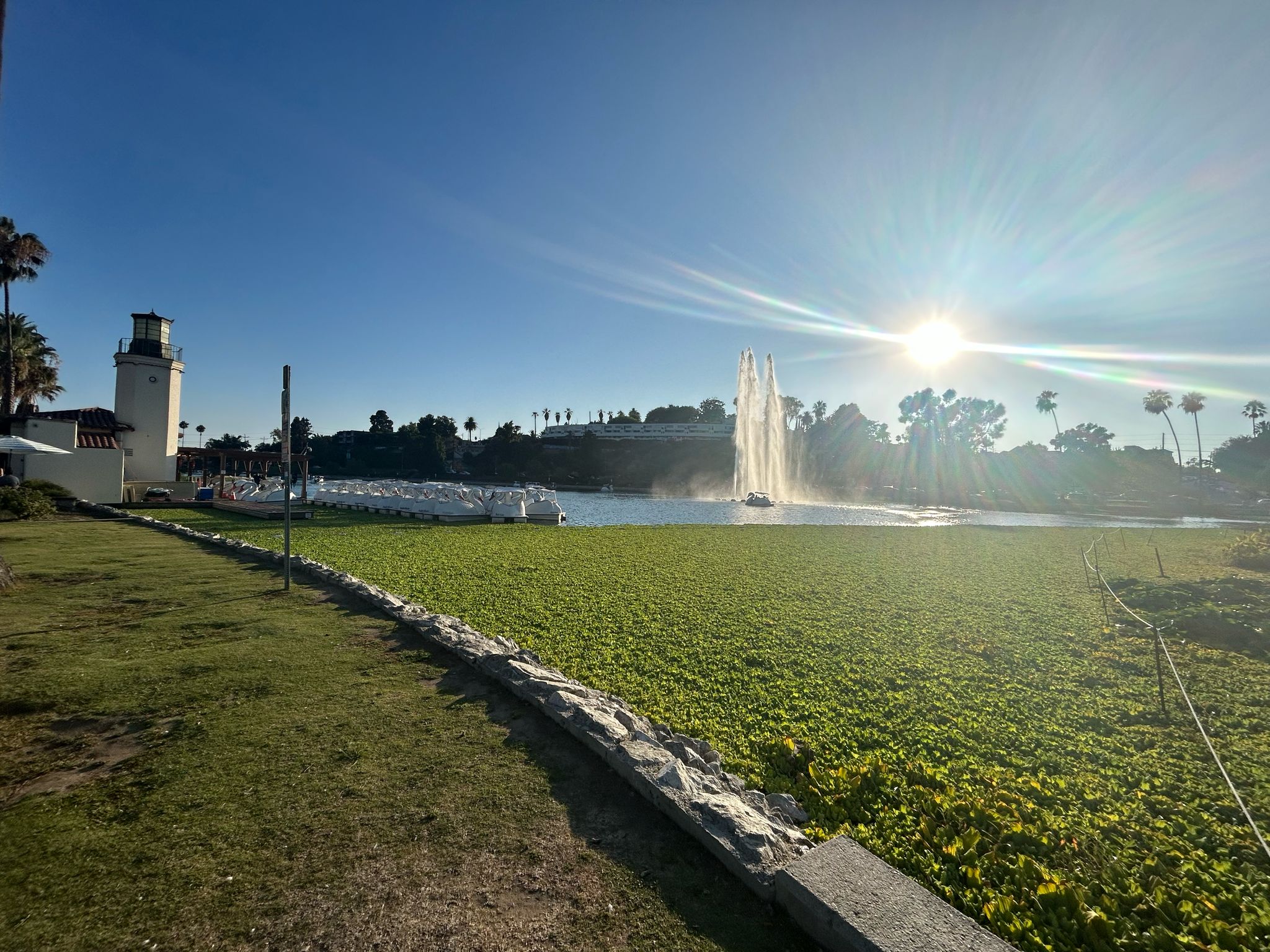
Published:
a street in old town, 09/19/24 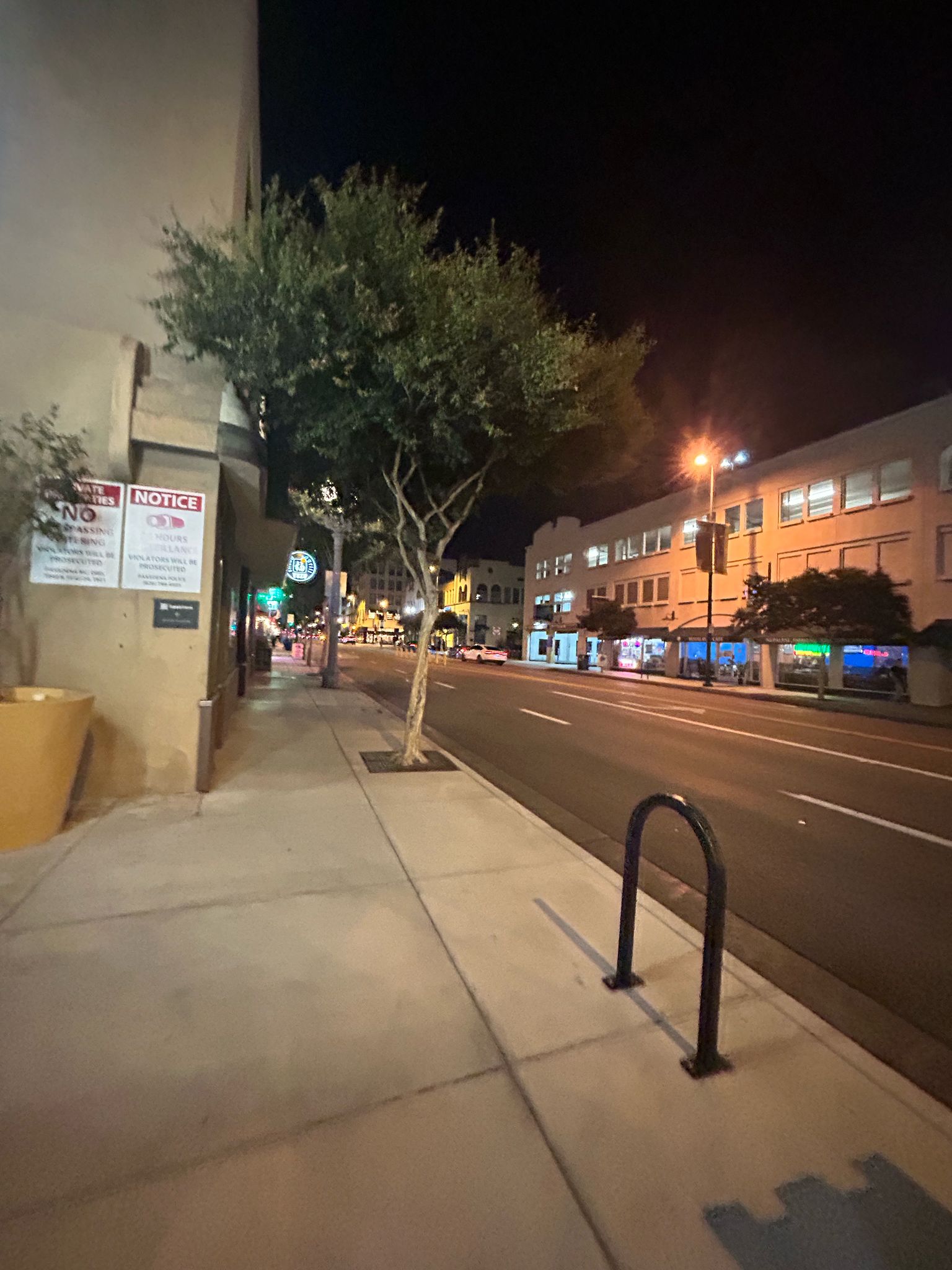
Published:
sofi stadium, 11/05/23 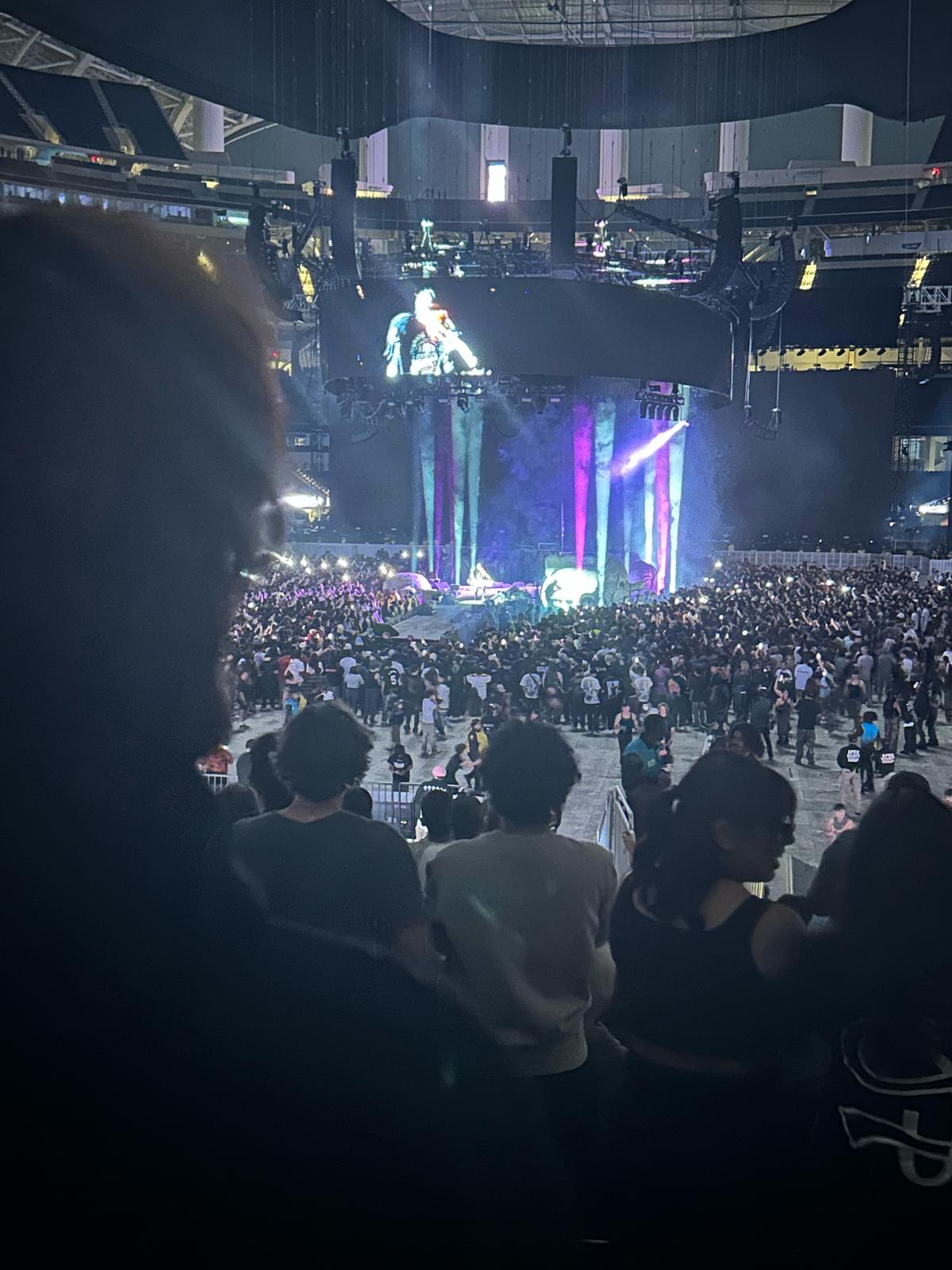
Published:
rainbow, 09/30/24 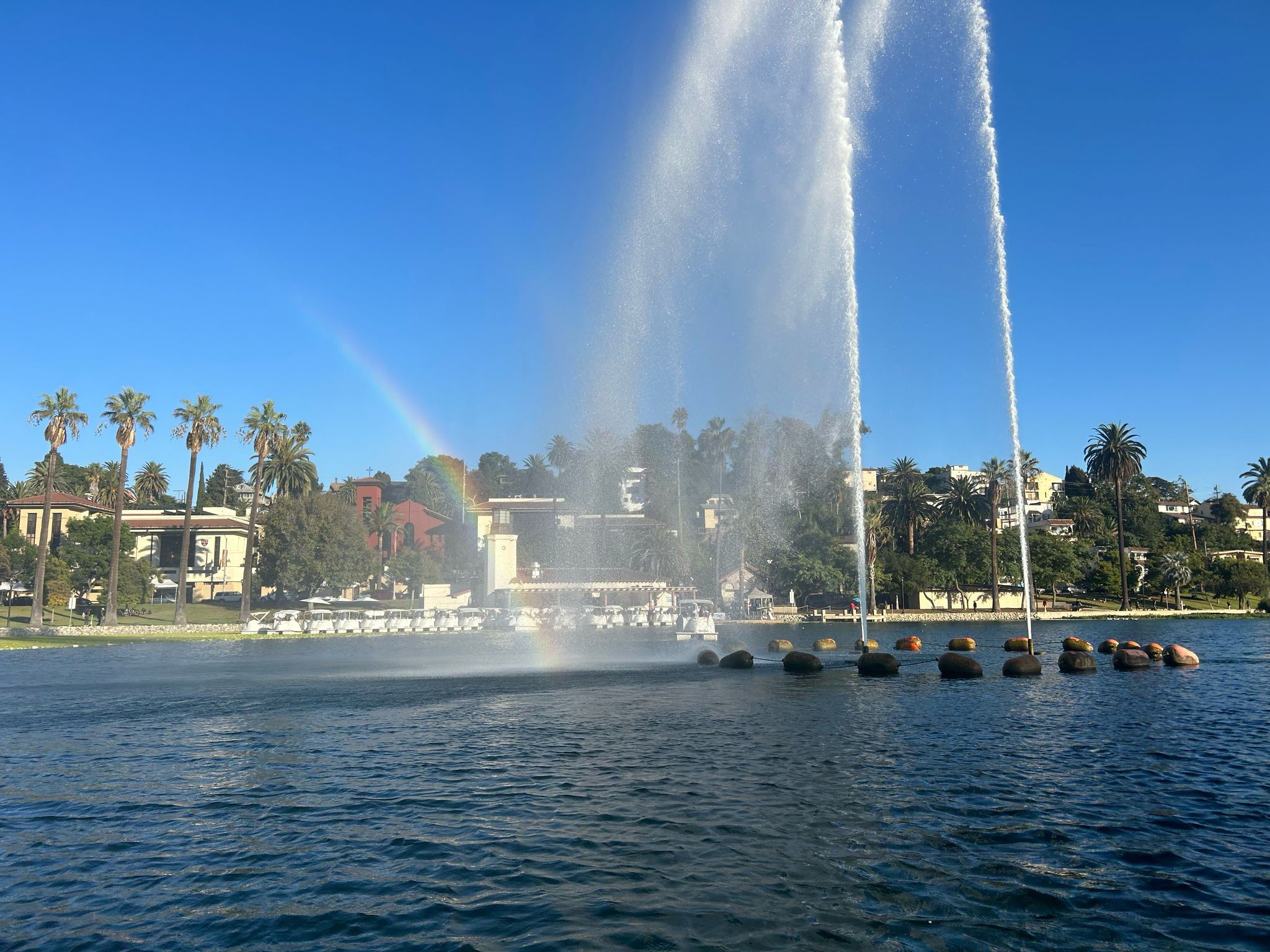
Published:
an aerial view of delhi, 10/15/24 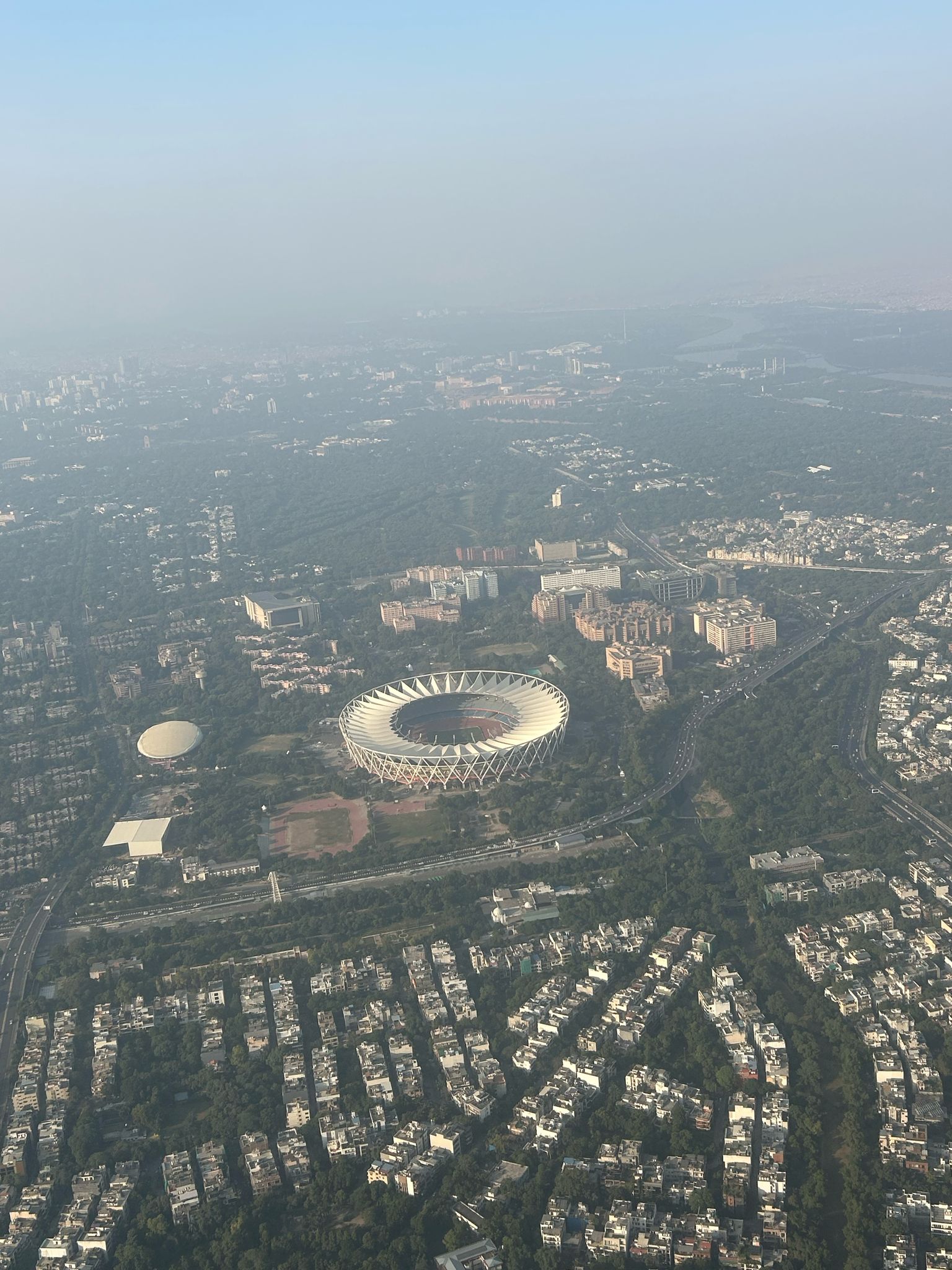
Published:
playa del rey, 10/29/24 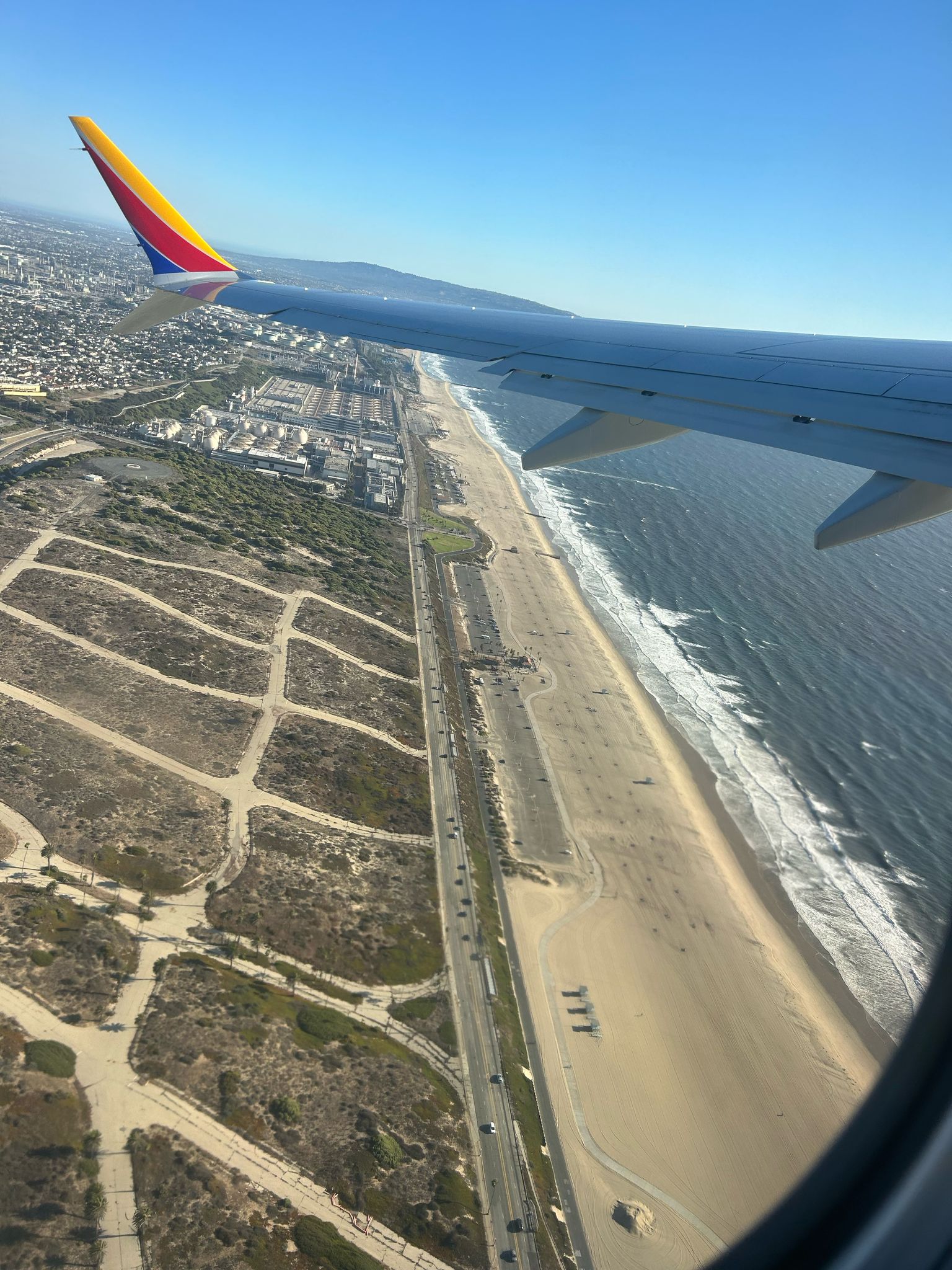
Published:
phoenix, 10/30/24 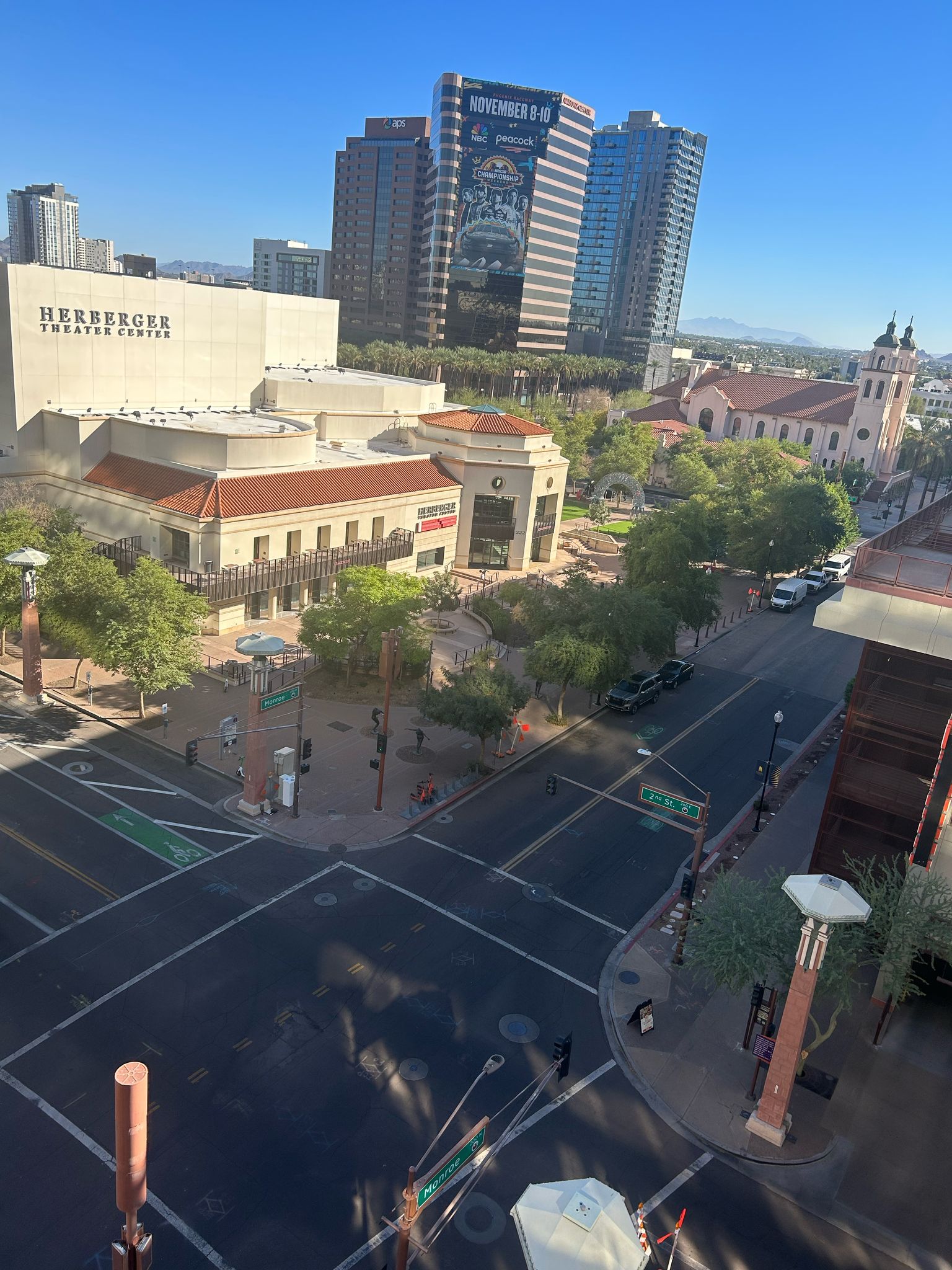
Published:
metro in reseda, 11/29/24 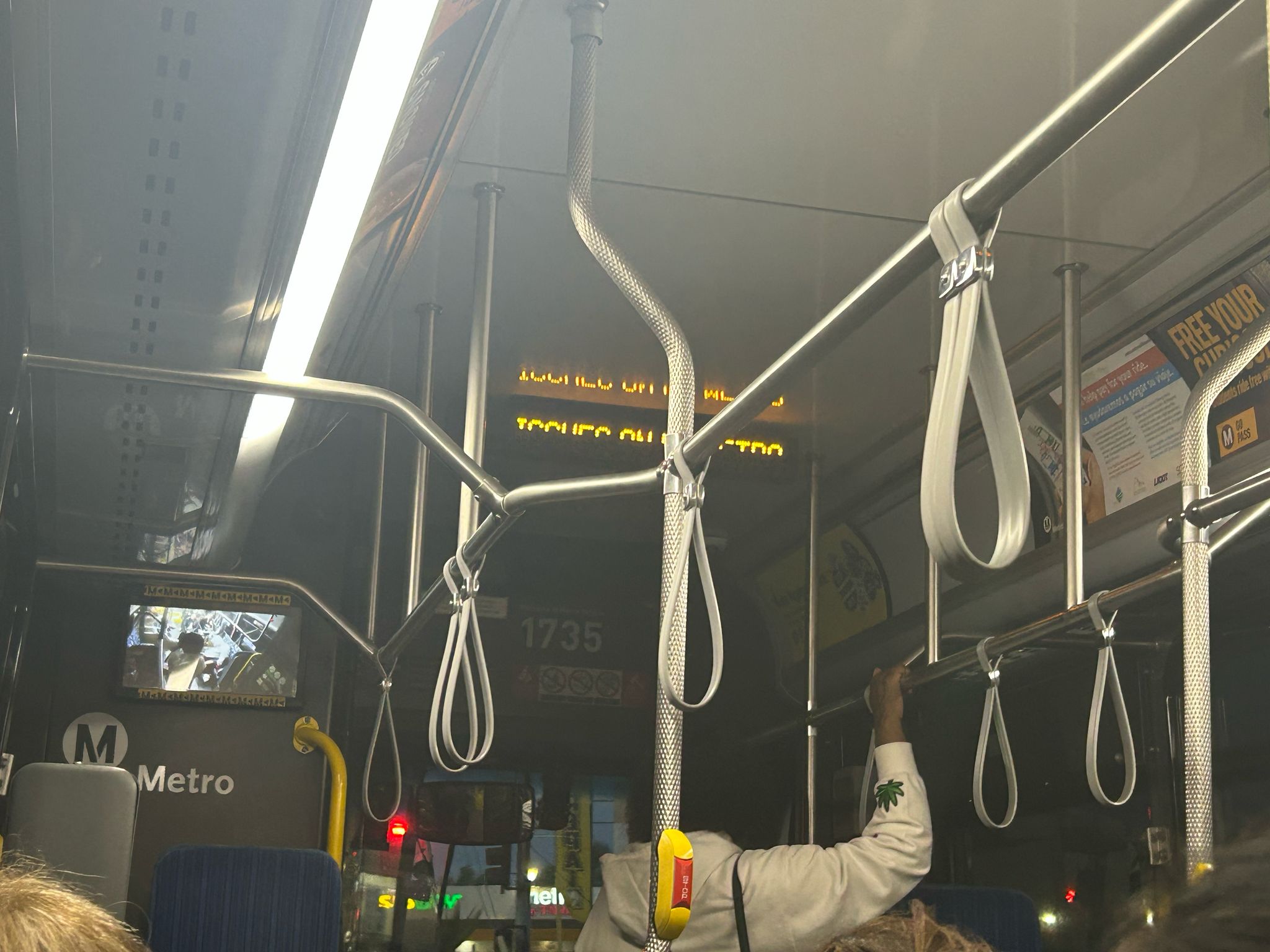
Published:
cultural death, 11/29/24 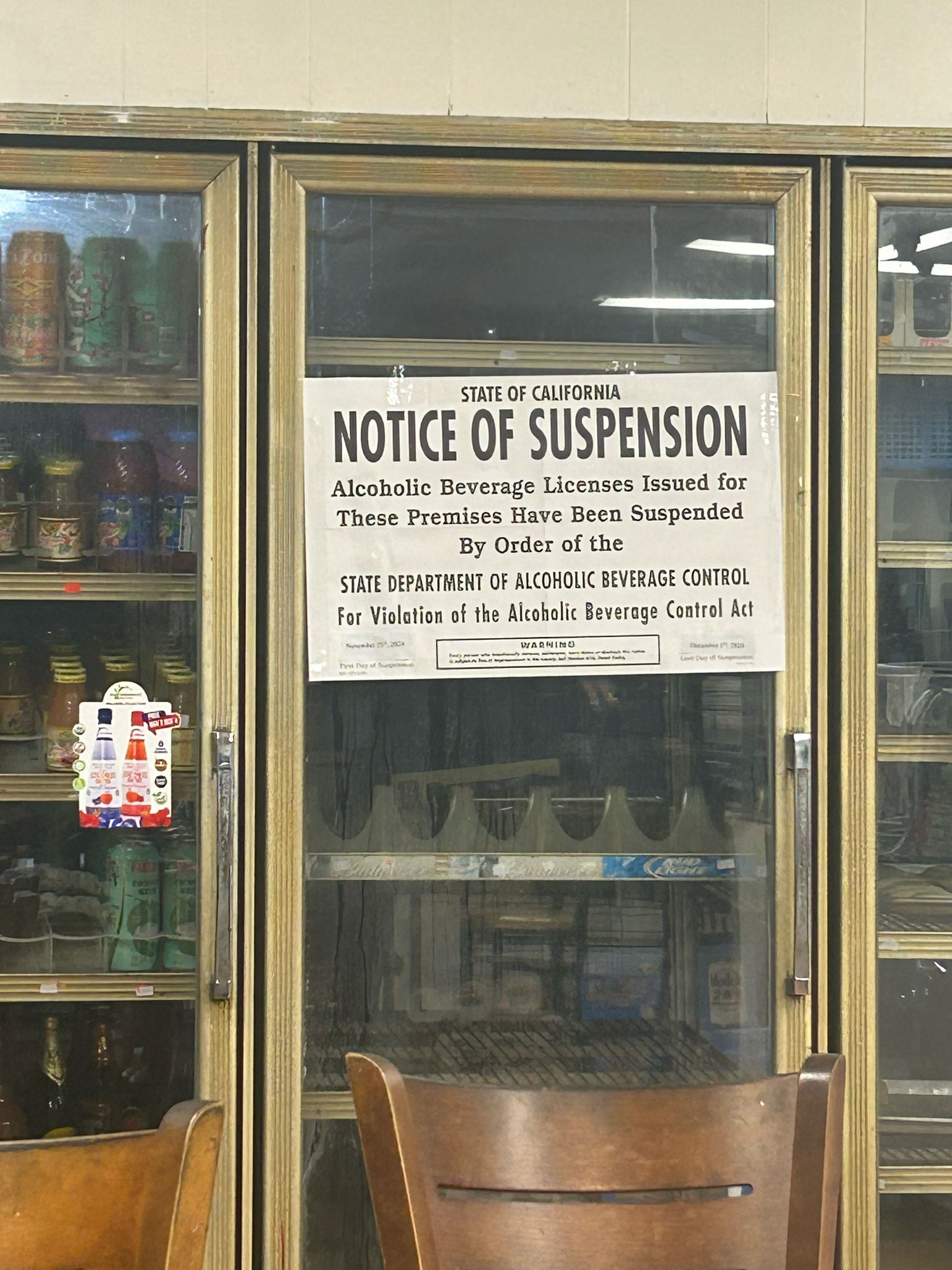
Published:
the christmas before the fire, 12/25/24 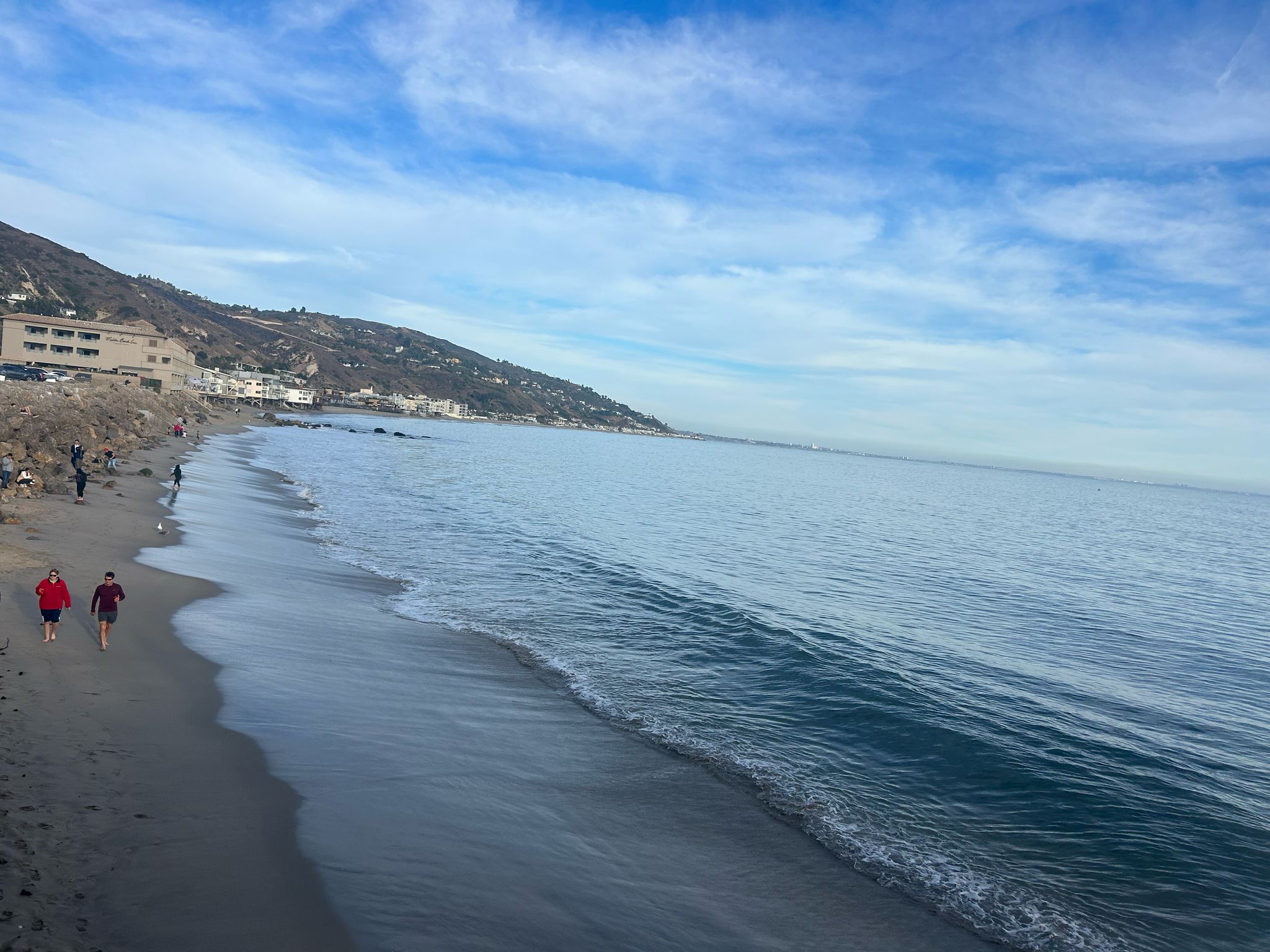
Published:
kiss land, 12/29/24 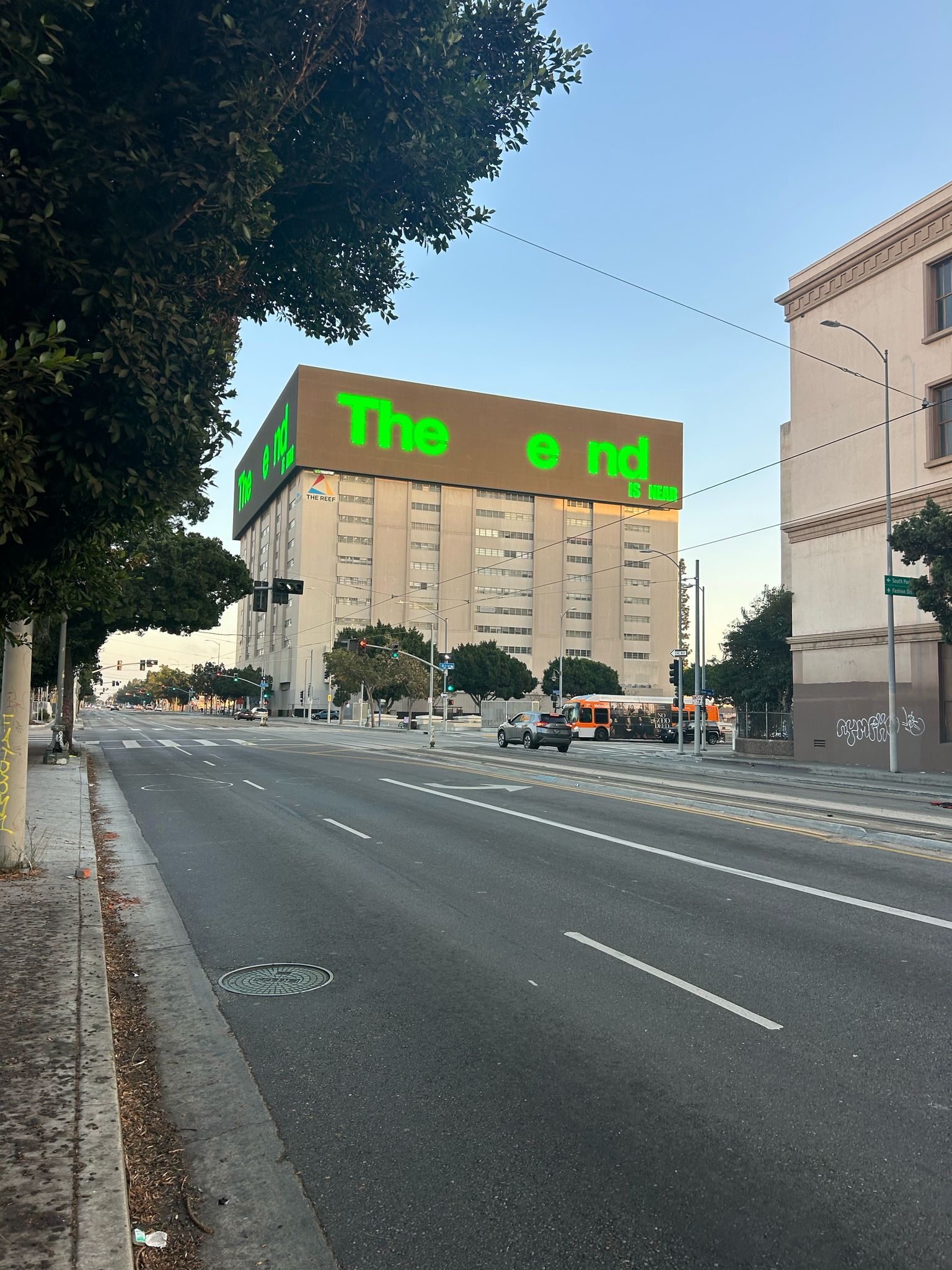
Published:
trilogy, 12/29/24 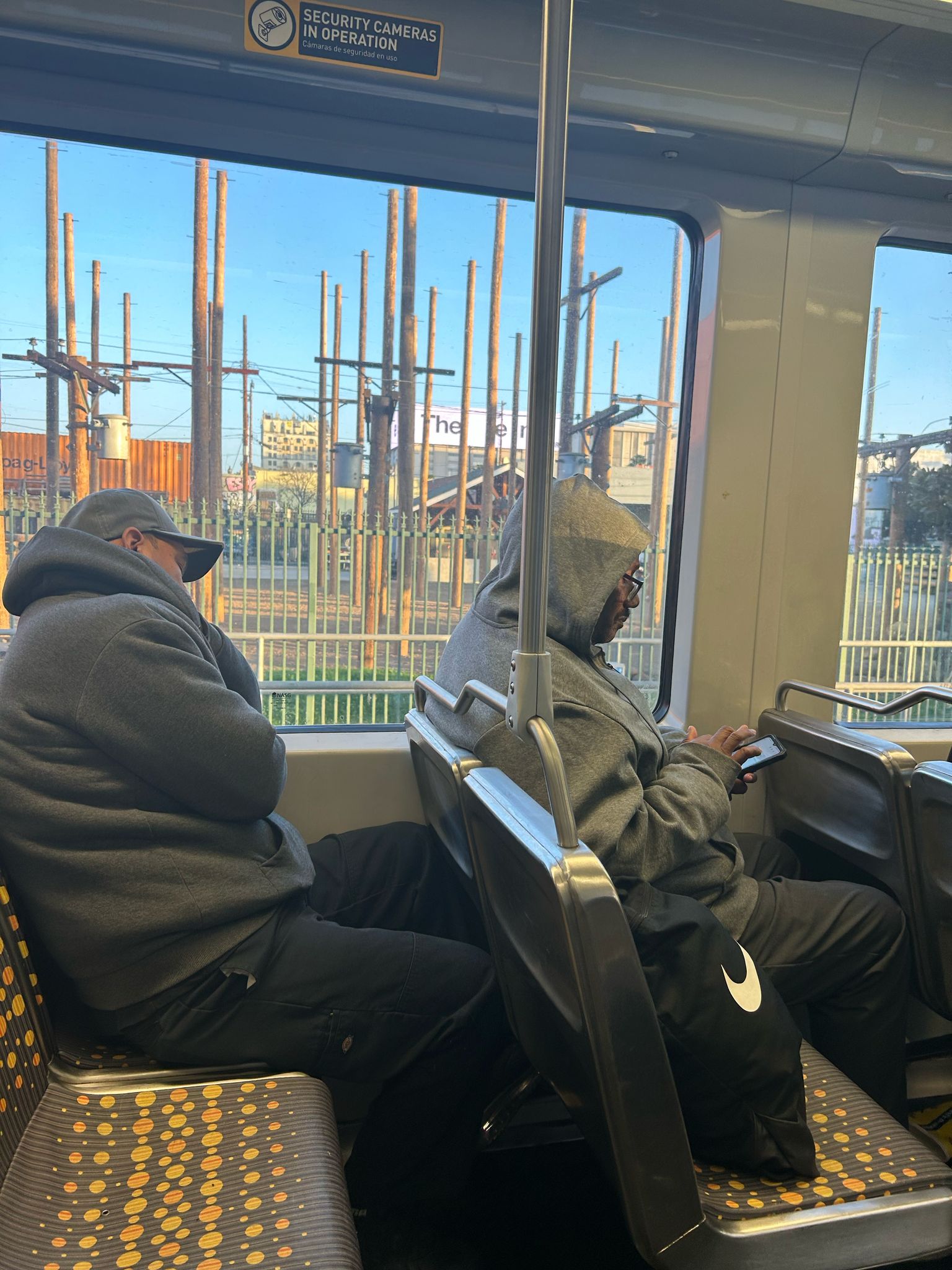
Published:
an aerial view of seattle, 01/07/25 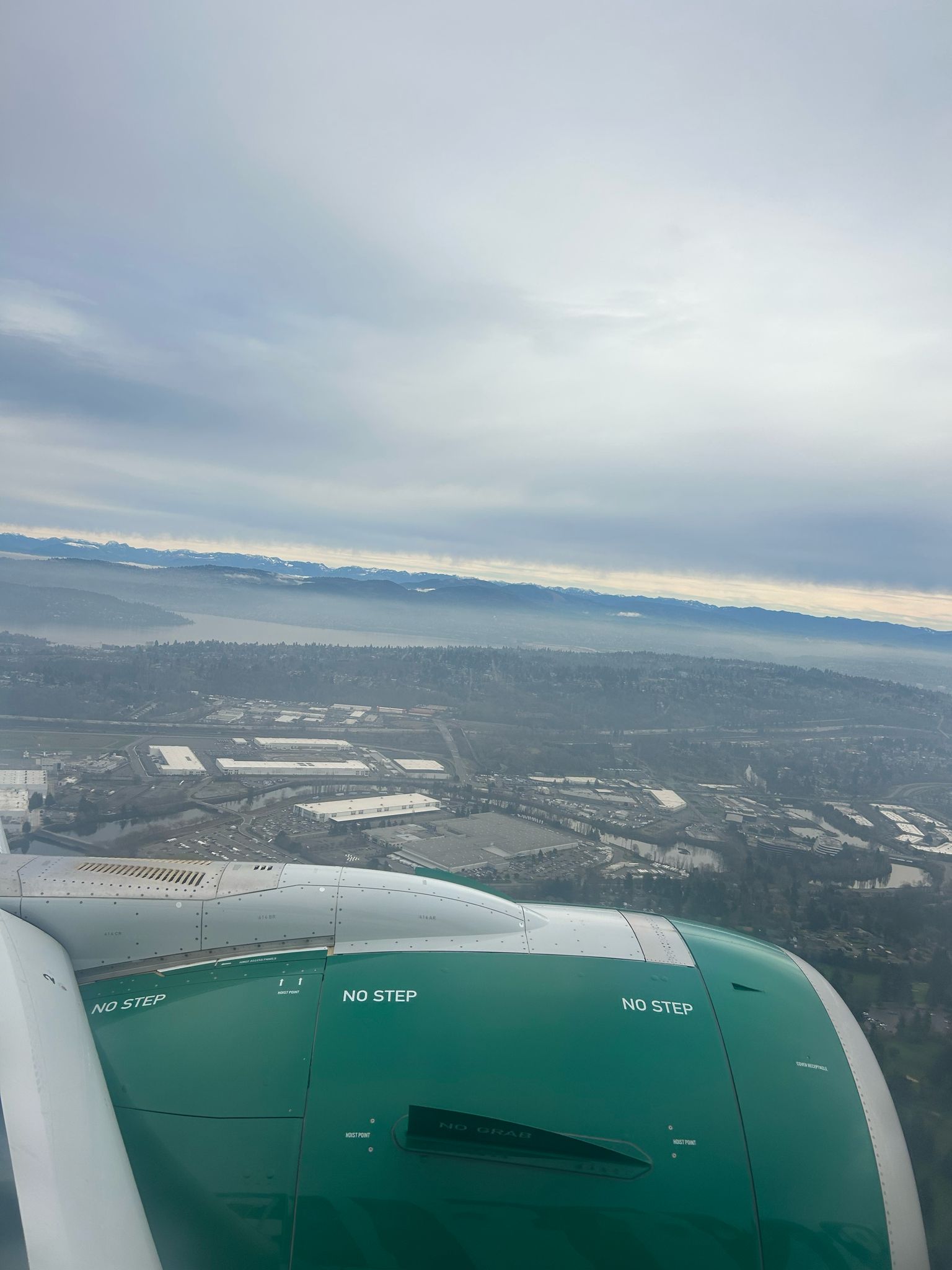
Published:
a mural in dtla, 11/22/23 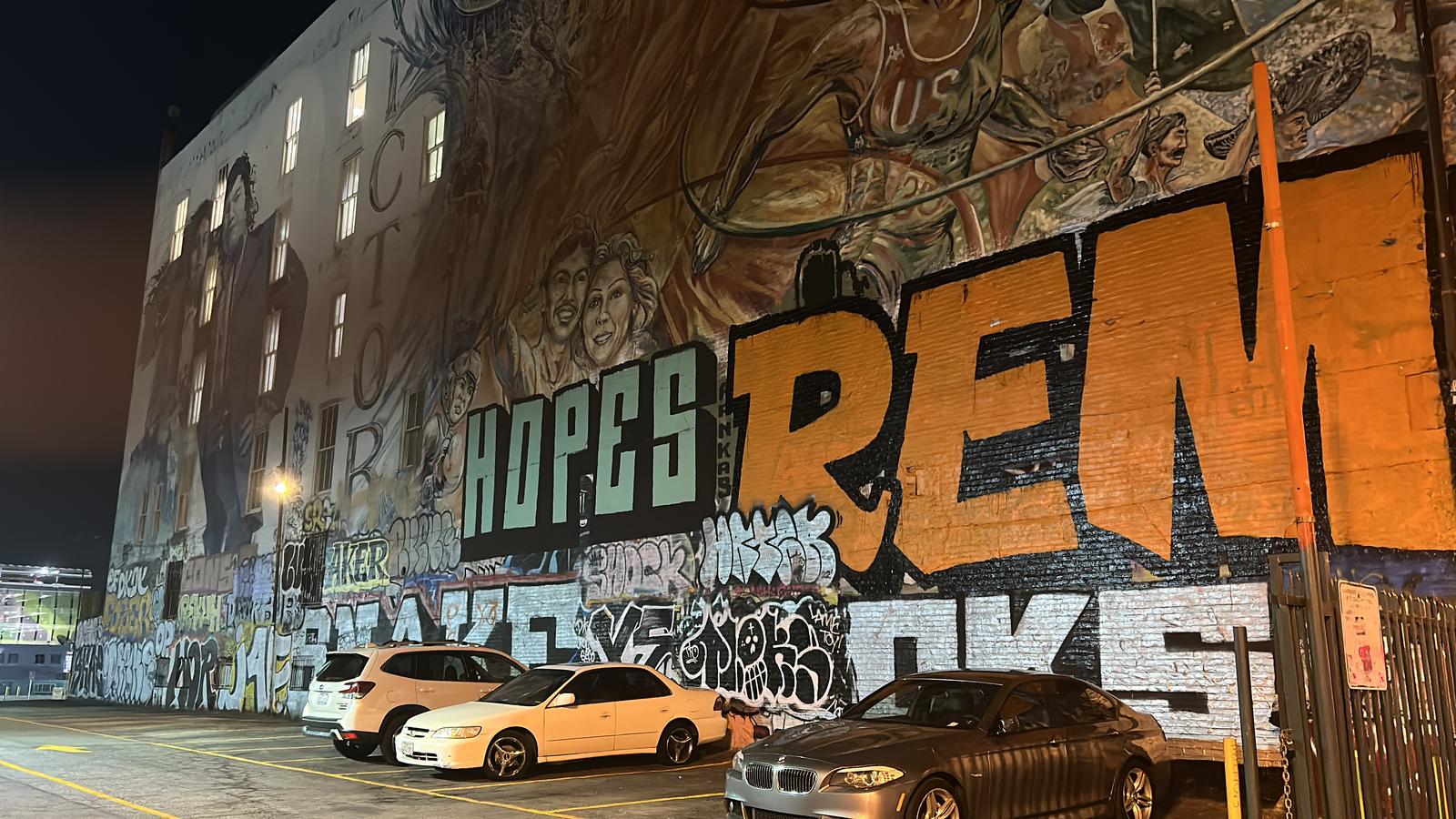
Published:
night, 01/08/25 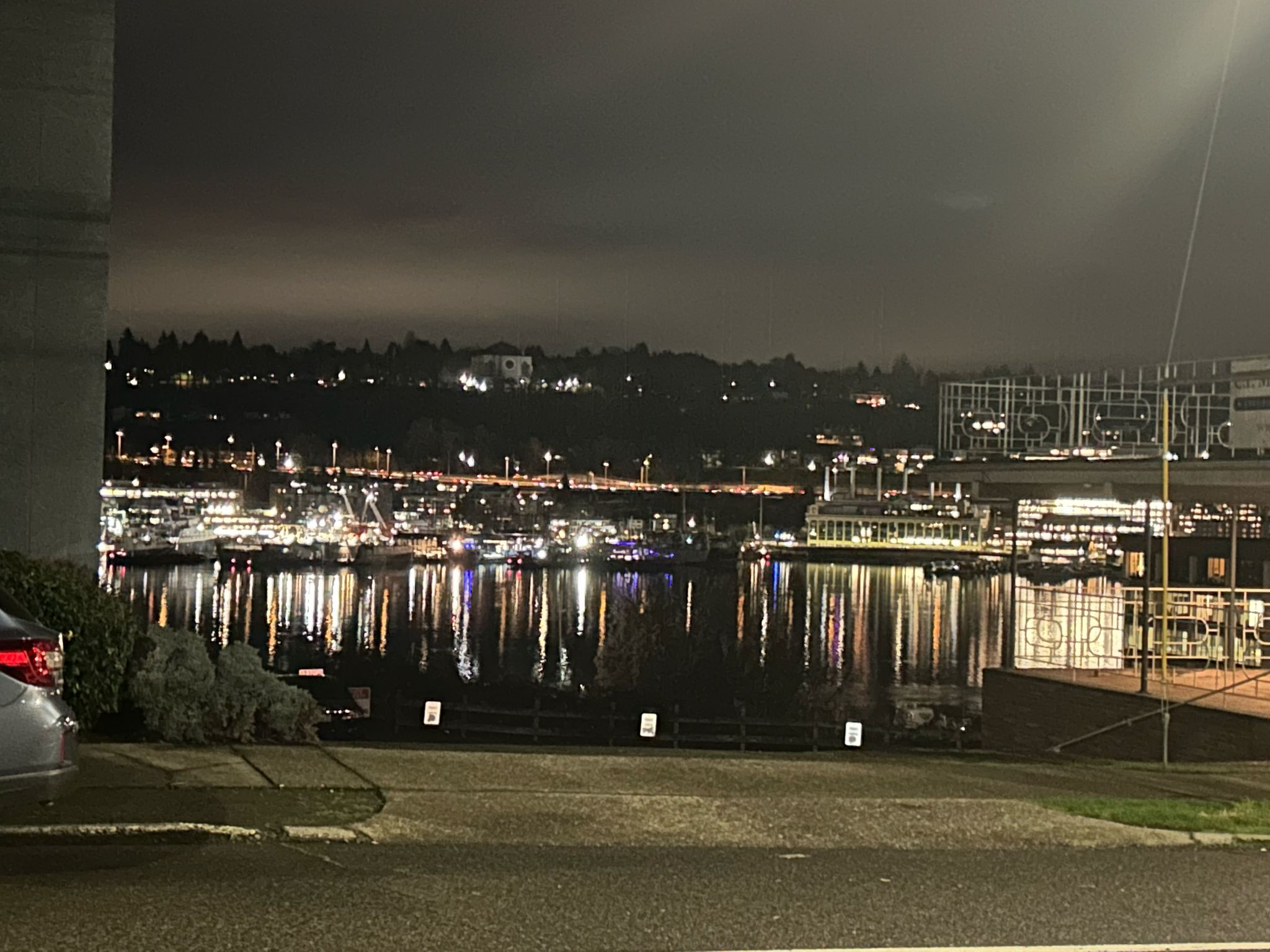
Published:
day, 01/09/25 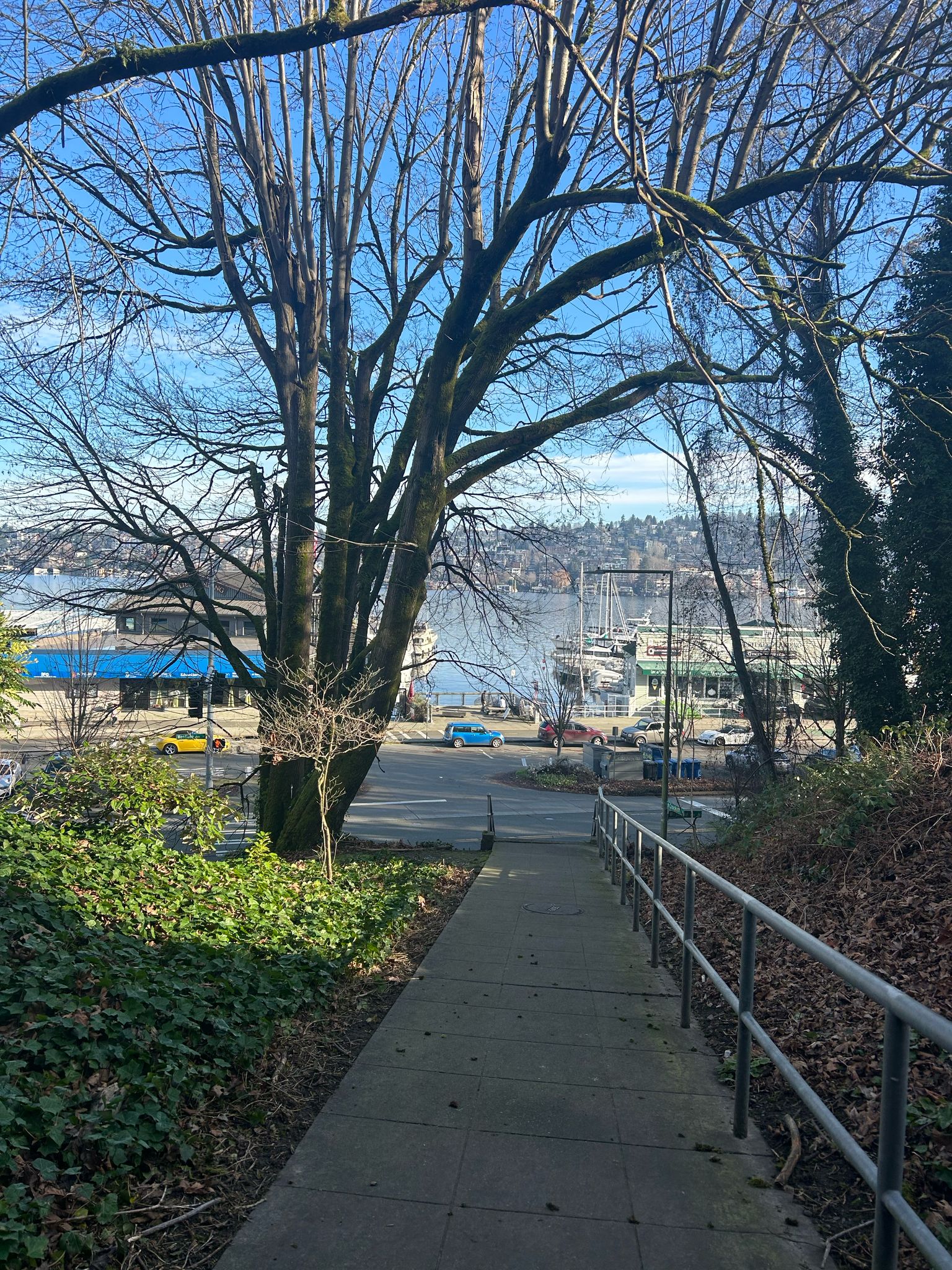
Published:
a foggy day, 01/10/25 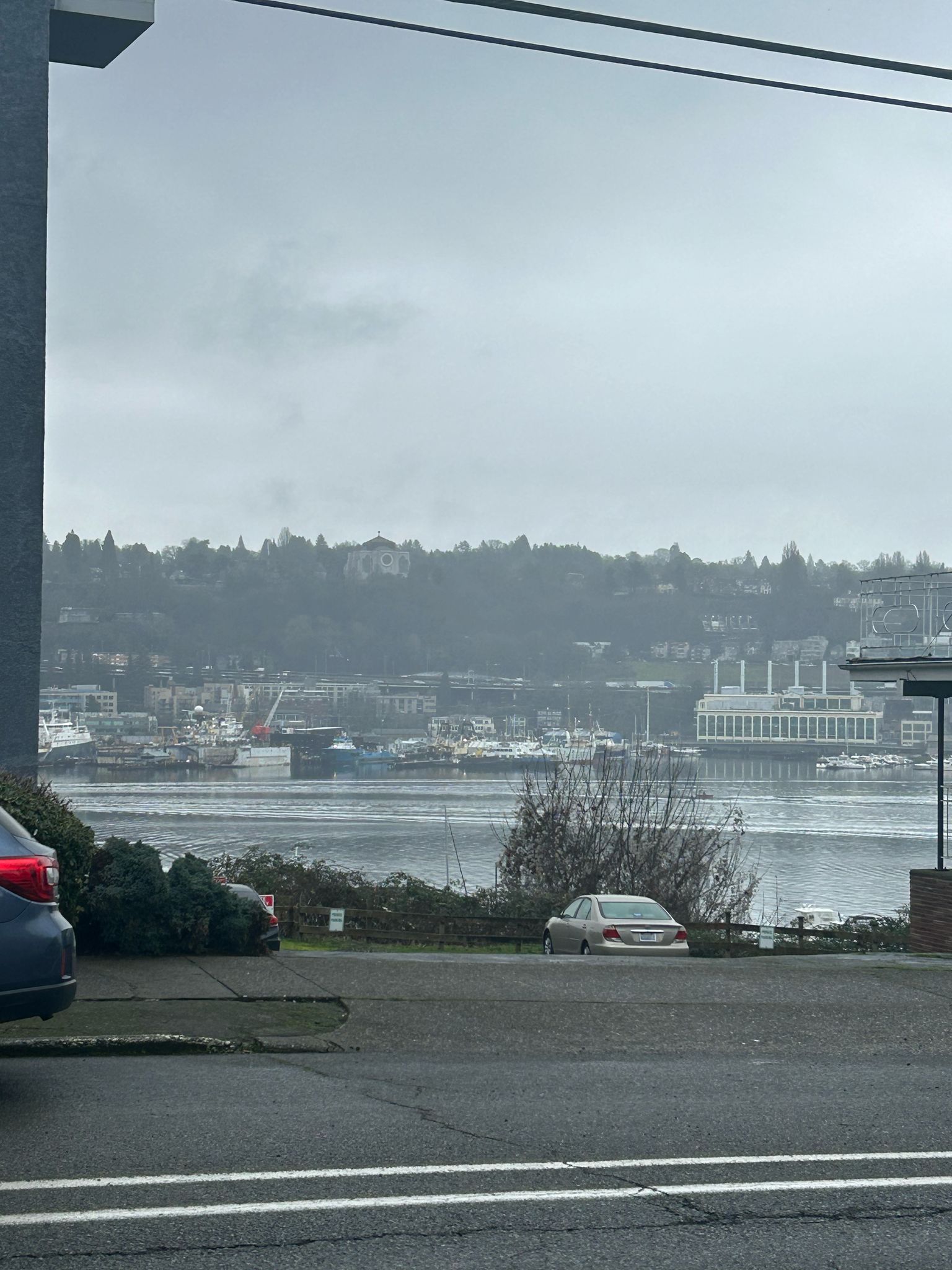
Published:
western heights, 01/11/25 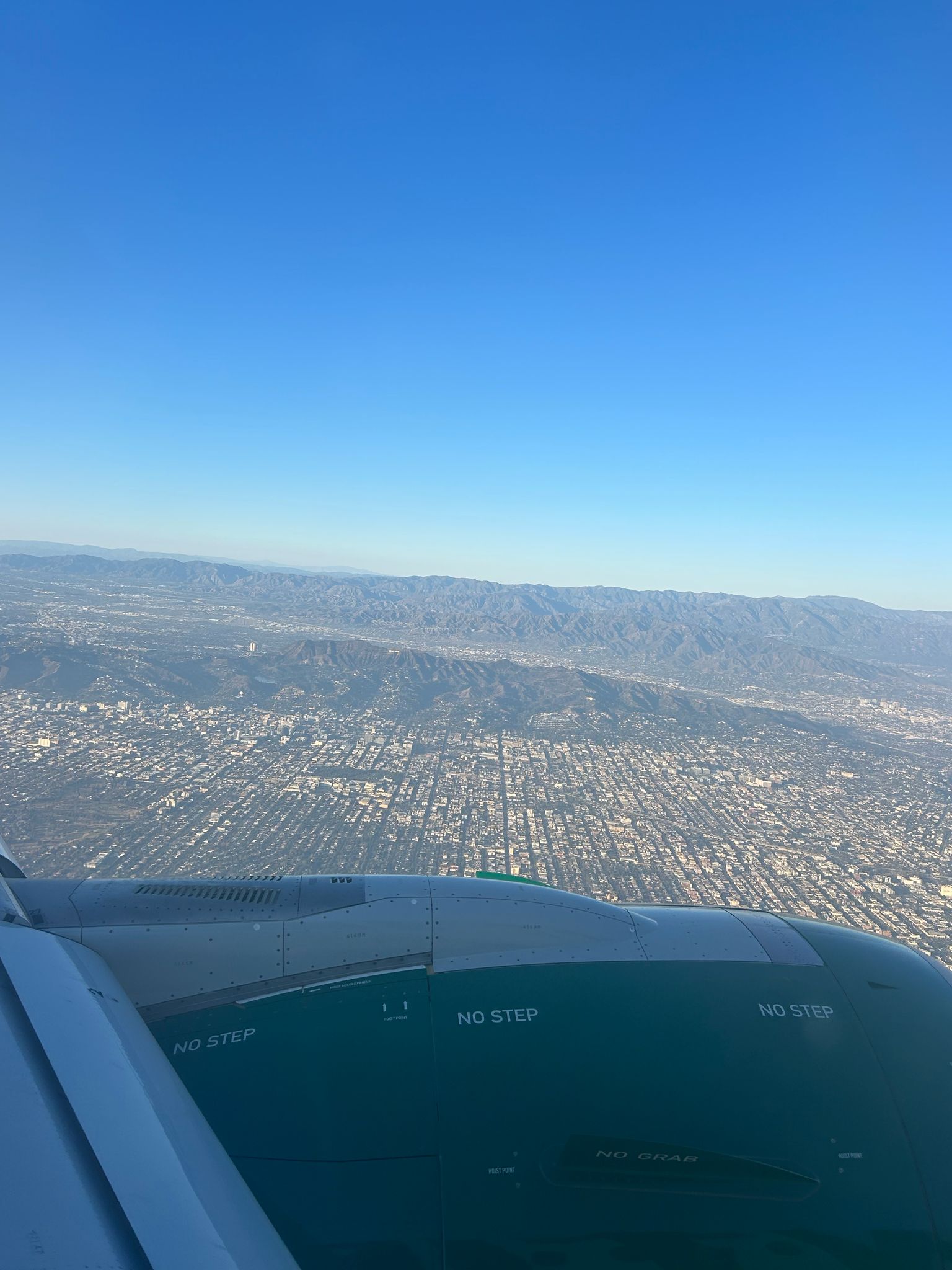
Published:
venice beach, 02/07/25 
Published:
nobu malibu survived the fire, 02/13/25 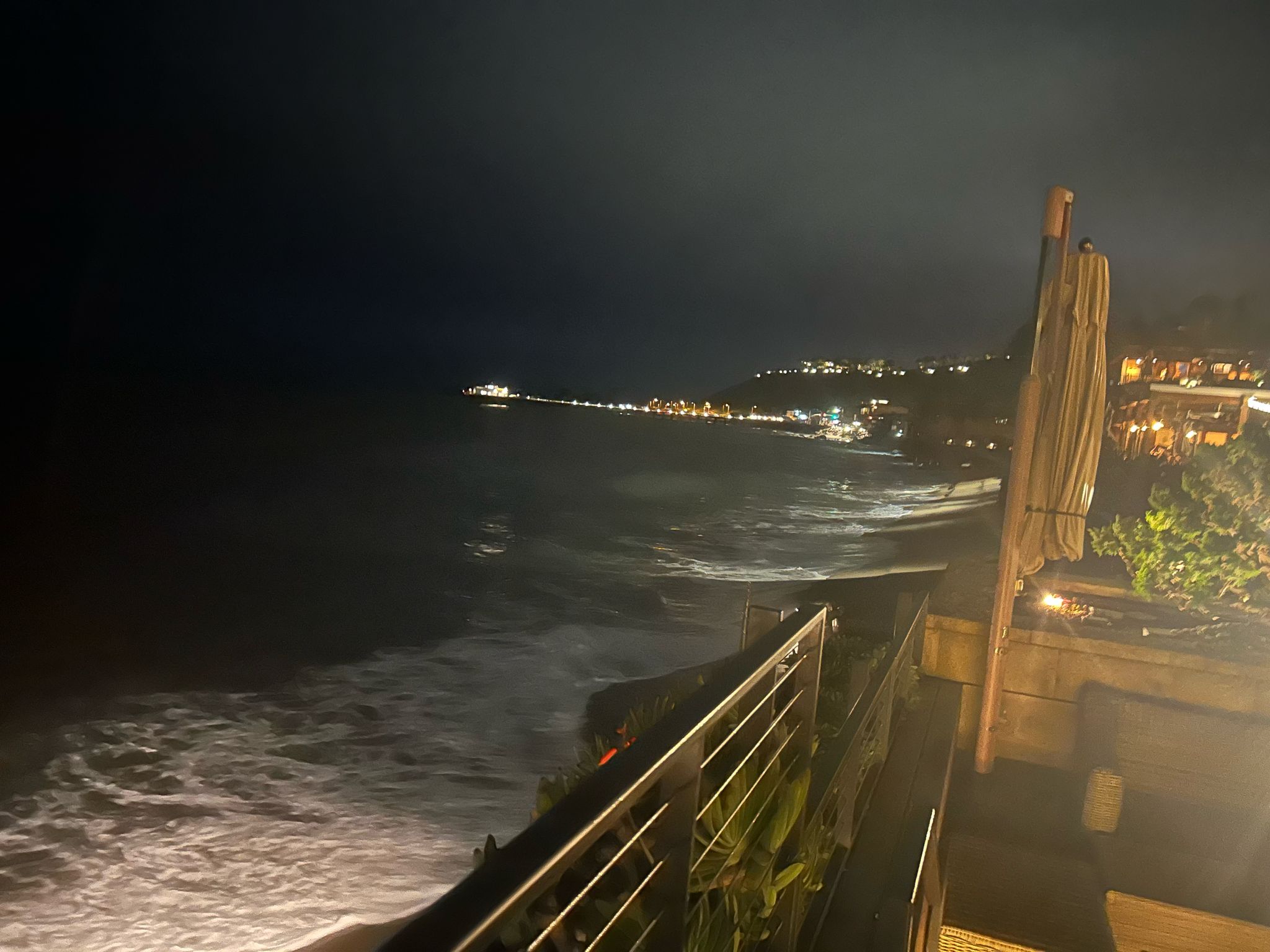
Published:
staples, 02/20/25 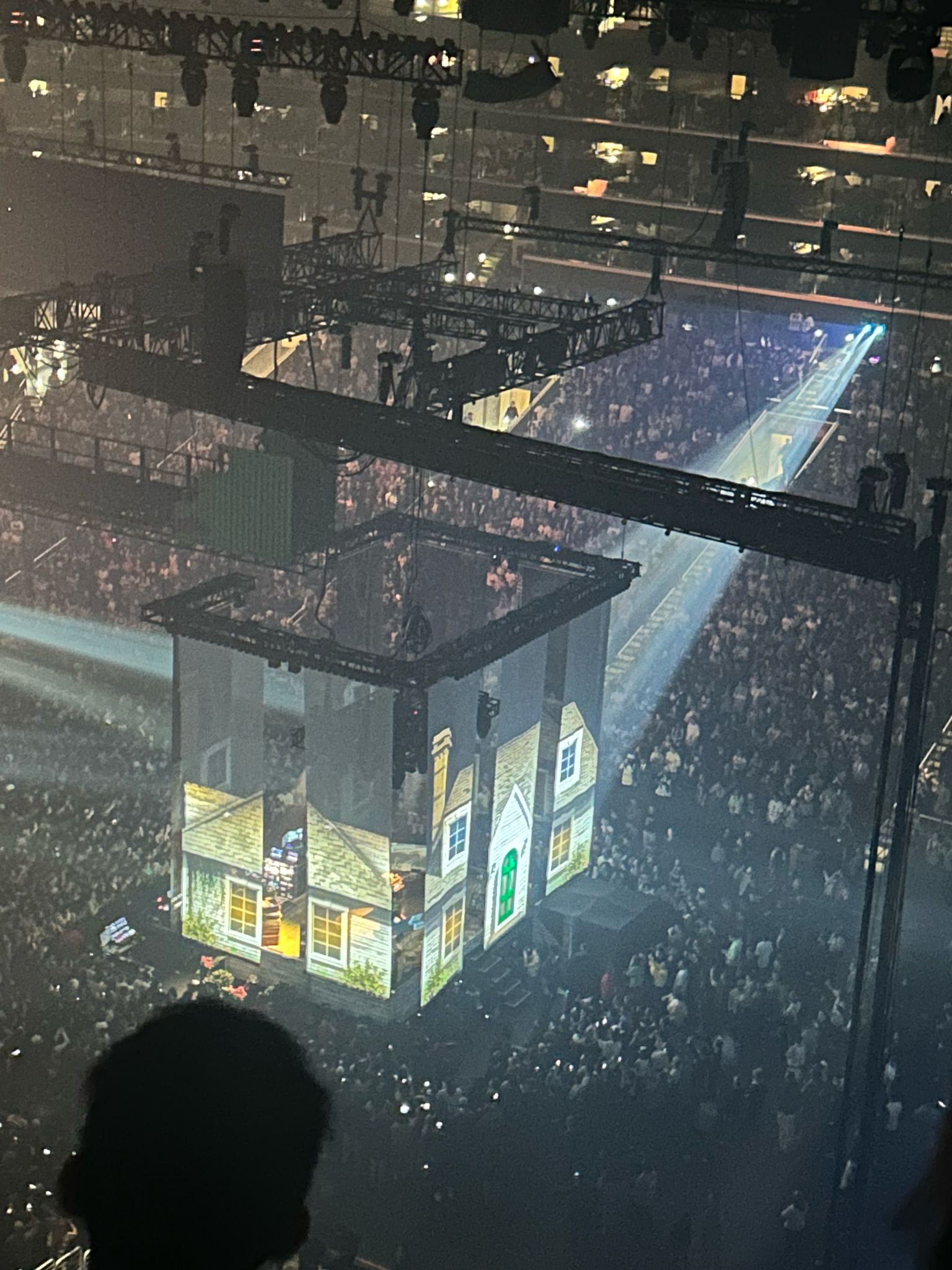
Published:
echo park lake, 04/20/25 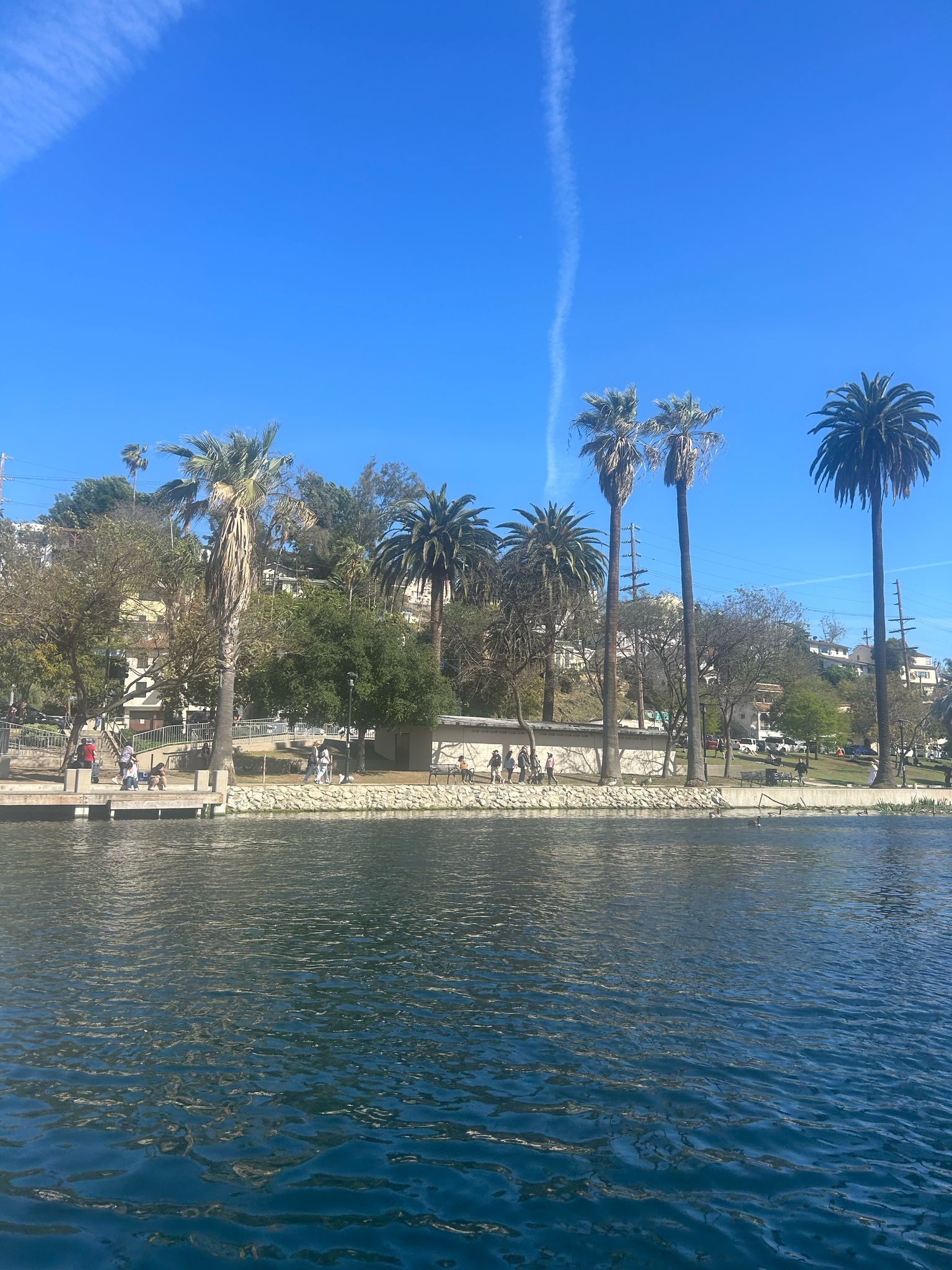
Published:
the nuart, 04/19/25 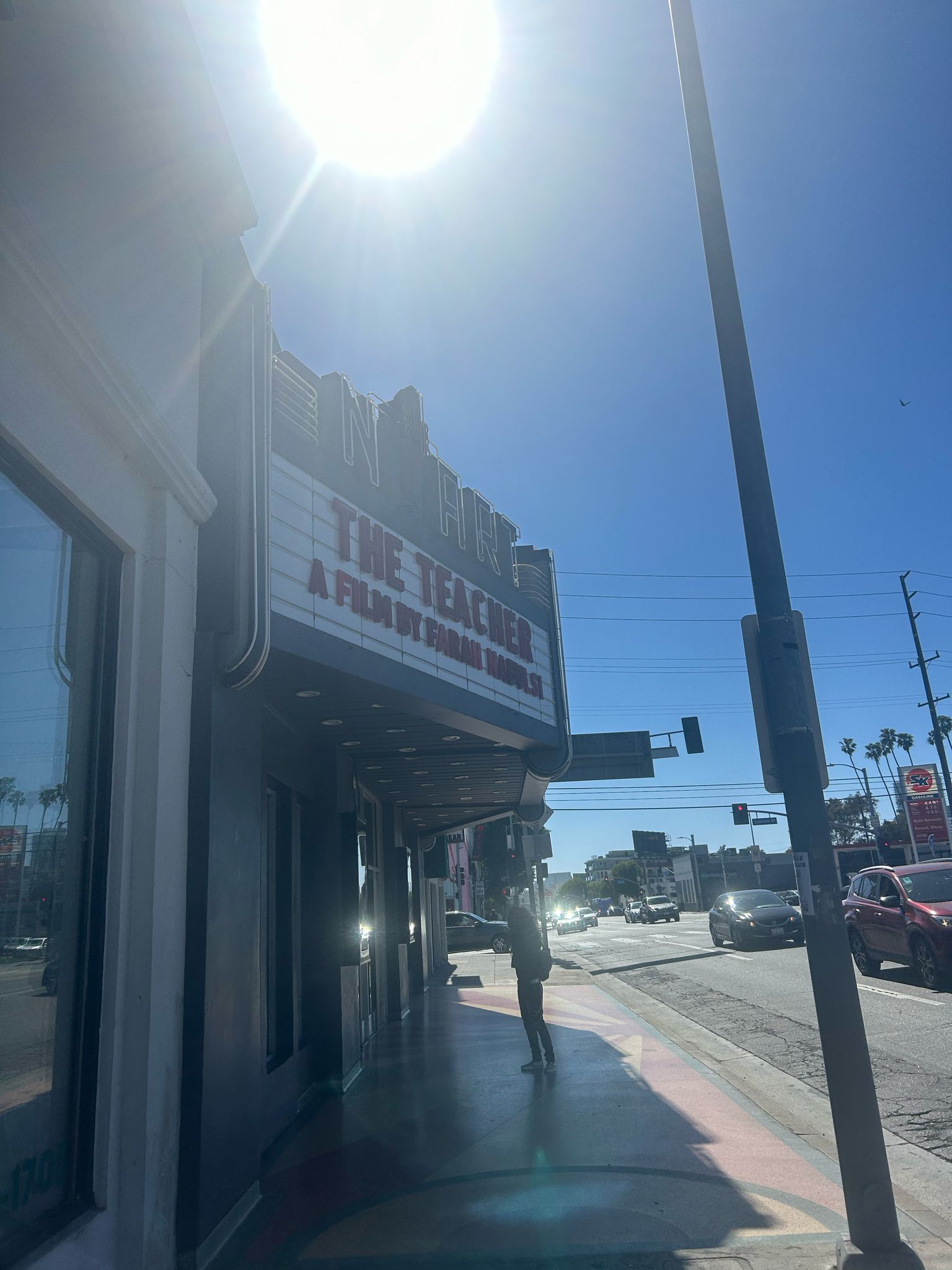
Published:
cinefile, 04/19/25 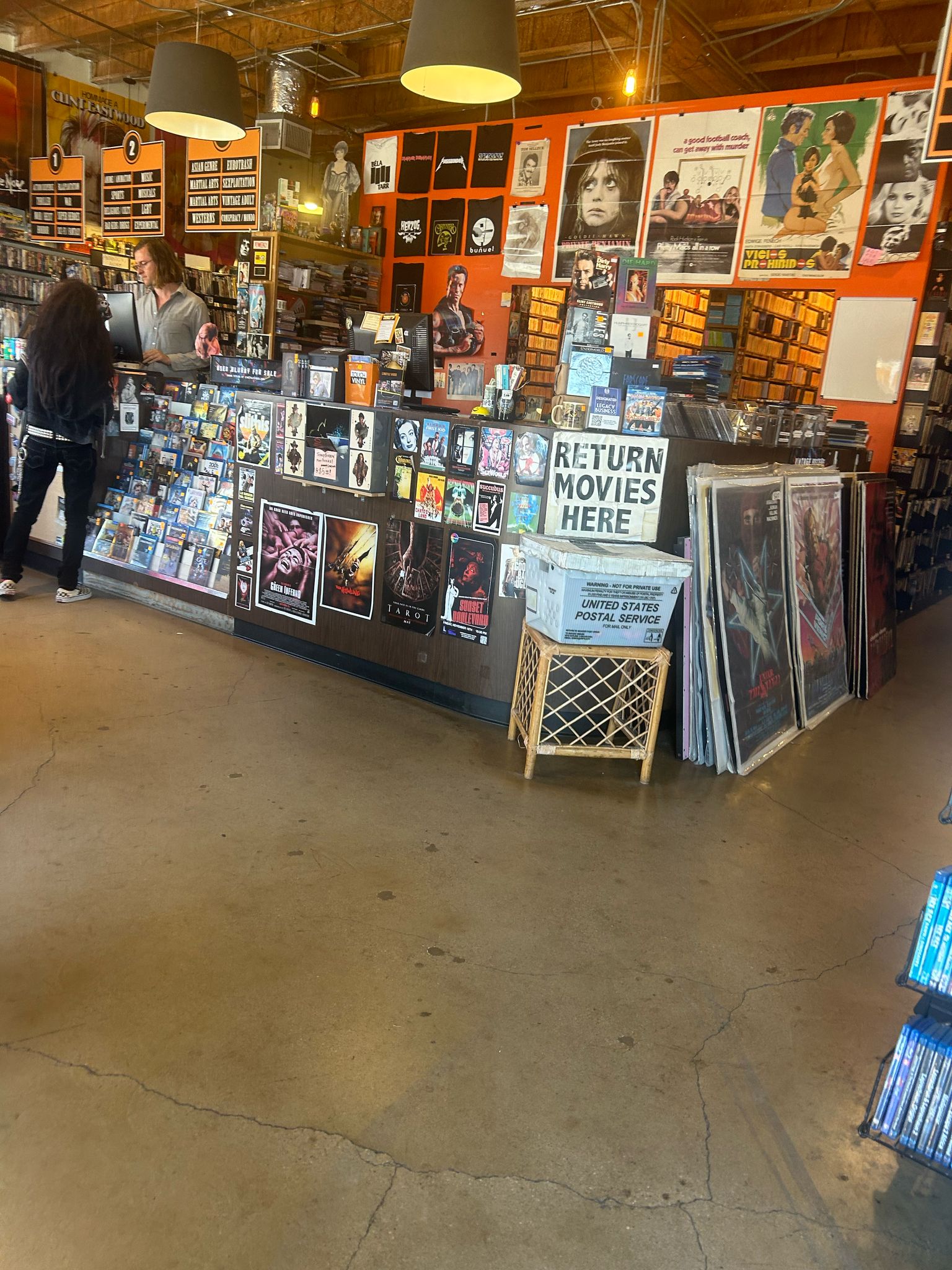
Published:
a bathroom in glendale, 11/23/23 
Published:
century city, 04/18/25 
Published:
obnoxious liberals, 09/22/24 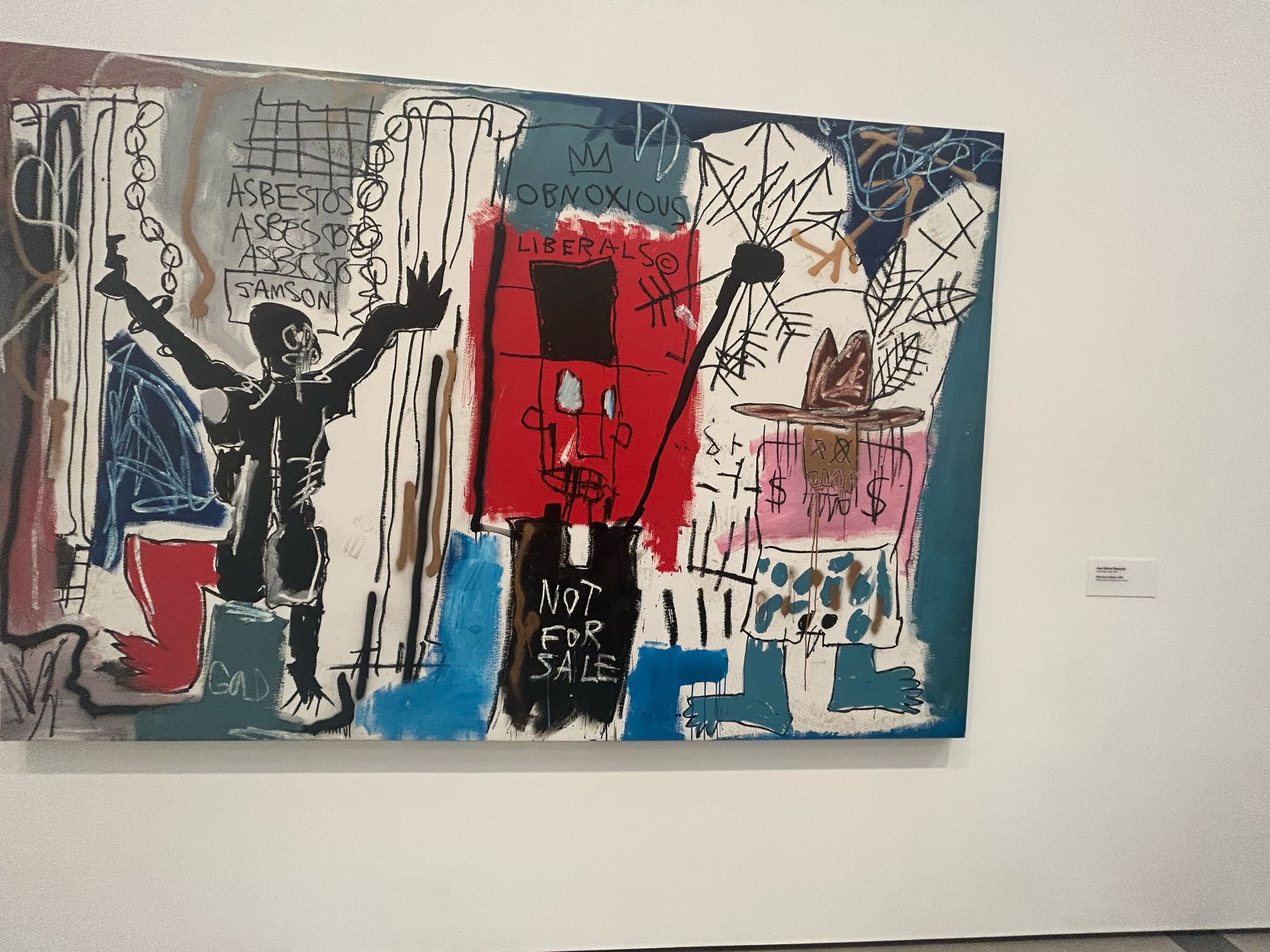
Published:
chinatown, 11/22/23 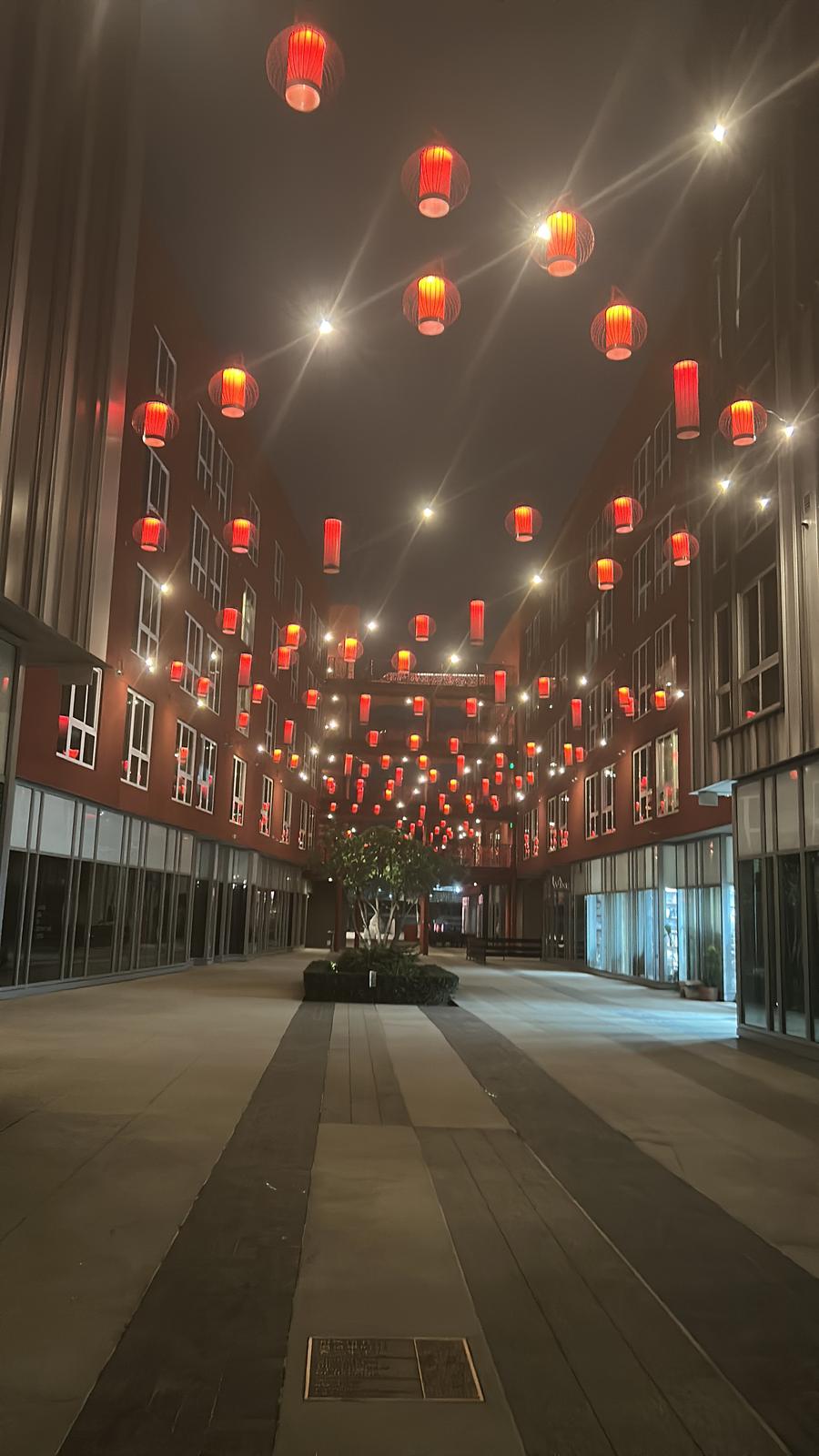
Published:
norton simon museum, 12/09/23 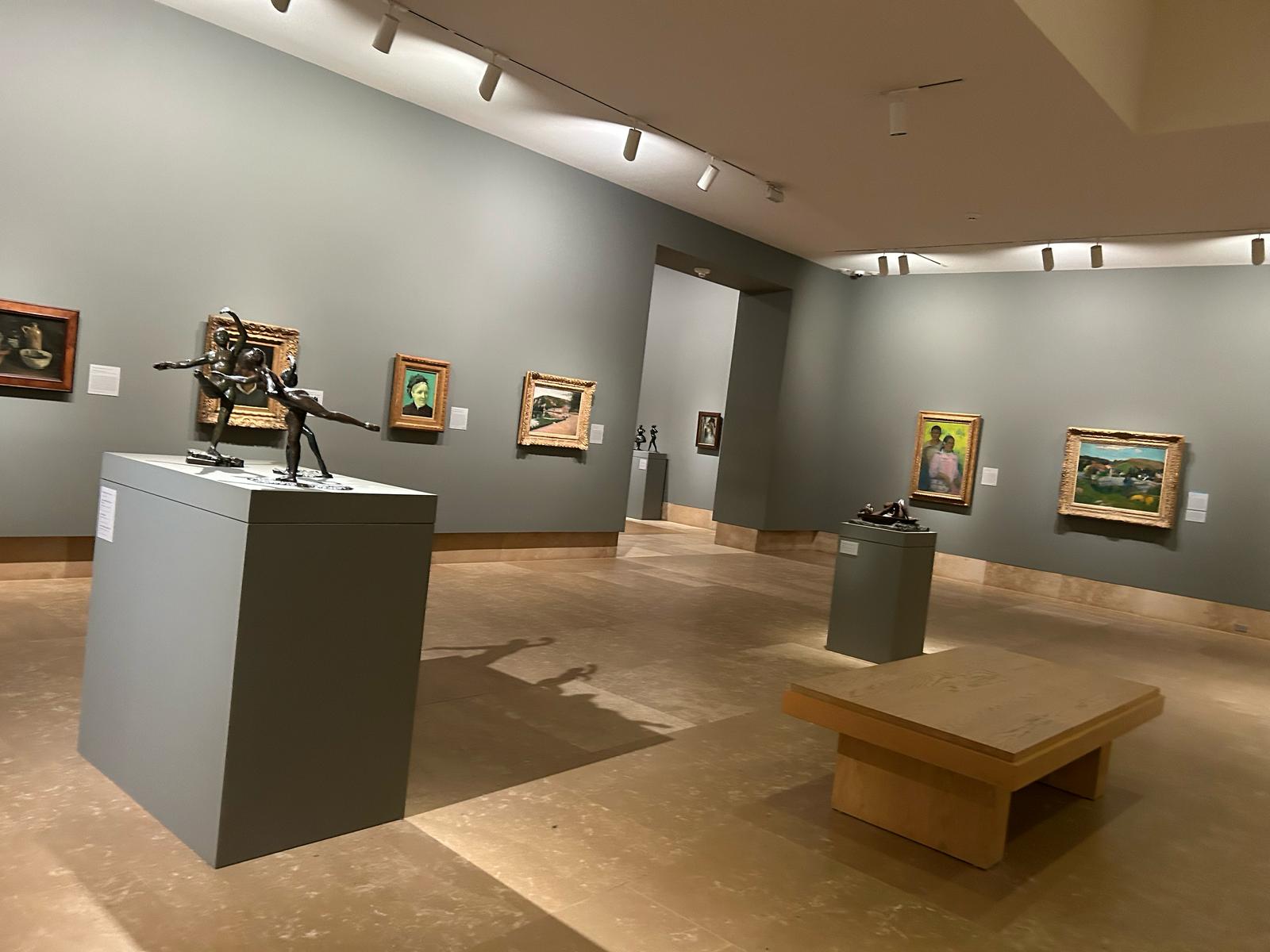
Published:
a street, 01/05/24 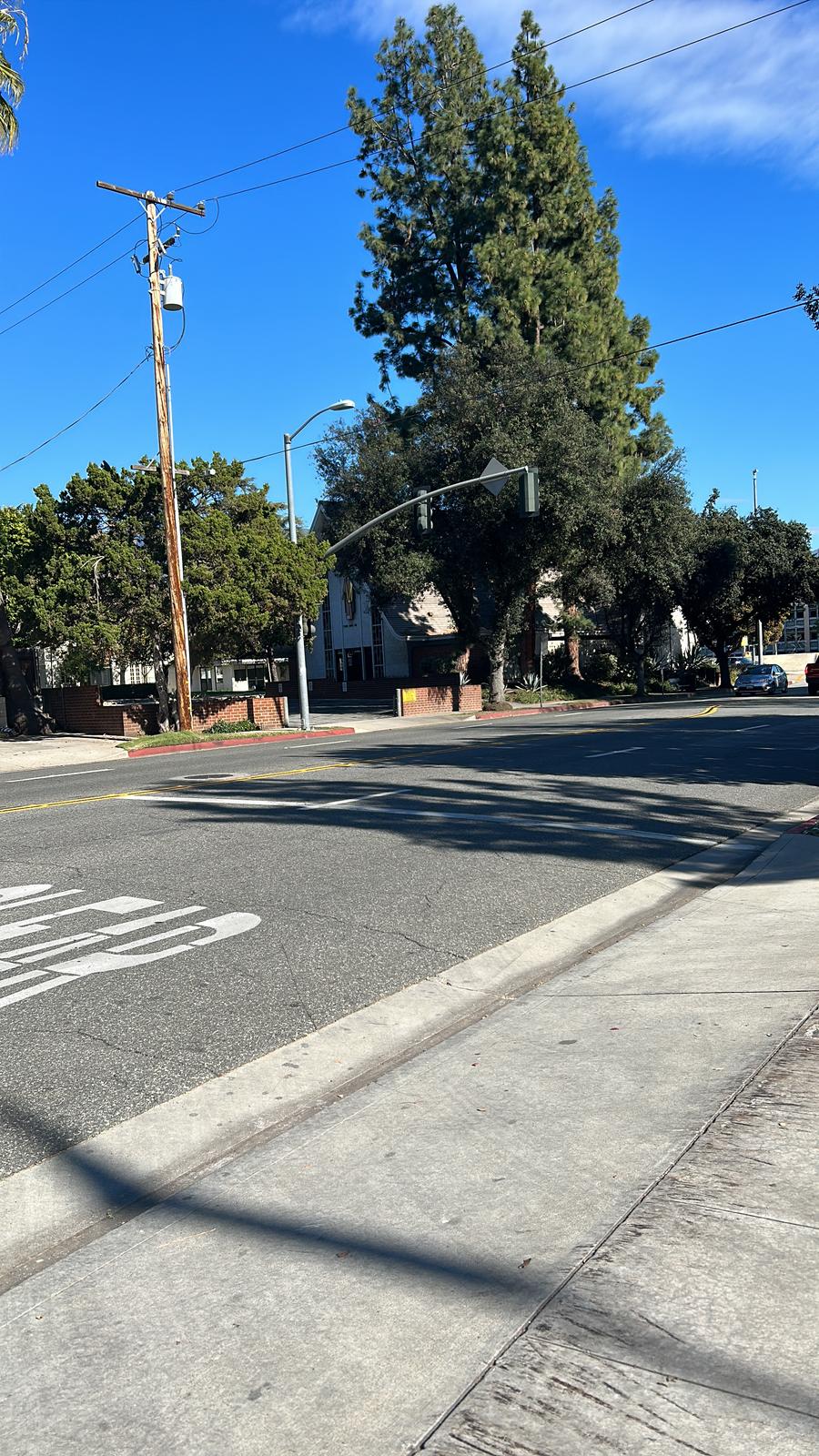
Published:
[redacted], 01/14/24 
Published in arXiv, 2024
In this paper, we provide a construction of a Topological Quantum Field Theory from a Non-Hermitian Ribbon Fusion Category. This is a simple method that does not involve enriching over Fusion Categories, or using other complicated structures. To substantiate this construction, we also prove theorems on the Müger center, braiding, and spherical structure of such a fusion category. [Under Revision]
Recommended citation: Komalan, K. (2024). Constructing TQFTs Using Non-Hermitian Ribbon Fusion Categories. arXiv preprint arXiv:2410.16993.
Download Paper
Published in arXiv, 2025
We introduce “quantum barcodes,” a theoretical framework that applies persistent homology to classify topological phases in quantum many-body systems. By mapping quantum states to classical data points through strategic observable measurements, we create a “quantum state cloud” analyzable via persistent homology techniques. Our framework establishes that quantum systems in the same topological phase exhibit consistent barcode representations with shared persistent homology groups over characteristic intervals. We prove that quantum phase transitions manifest as significant changes in these persistent homology features, detectable through discontinuities in the persistent Dirac operator spectrum. Using the SSH model as a demonstrative example, we show how our approach successfully identifies the topological phase transition and distinguishes between trivial and topological phases. While primarily developed for symmetry-protected topological phases, our framework provides a mathematical connection between persistent homology and quantum topology, offering new methods for phase classification that complement traditional invariant-based approaches.
Recommended citation: Komalan, K. (2025). Quantum Barcodes: Persistent Homology for Quantum Phase Transitions. arXiv preprint arXiv:2504.10468.
Download Paper
Published in arXiv, 2025
This article offers an intuitive introduction to monoidal categories through the lens of painting, presenting abstract mathematical concepts with visual and tactile analogies. Aimed at curious undergraduates and non-specialists, it seeks to demystify category theory by showing how ideas like the tensor product, associators, and braidings can be understood as compositional tools on a canvas. [Under Revision]
Recommended citation: Komalan, K. (2025). Brushstrokes and Tensor Products: Painting with a Monoidal Category. arXiv preprint arXiv:2508.05482.
Download Paper
Published in arXiv, 2026
In operator-algebraic AQFT one routinely moves back and forth between two kinds of structure: inclusions of local algebras coming from inclusions of regions, and bimodules/intertwiners that implement the standard L2-based constructions used to compare and compose observables. The obstruction to making this interplay genuinely functorial is that there are two independent compositions (restriction along inclusions and fusion/transport along bimodules) and they must be compatible on commuting spacetime diagrams, which is exactly the situation a double category is designed to encode. Part I resolves this by building a spacetime double category and a von Neumann algebra double category inspired by previous work by Orendain, and by packaging an AQFT input as a pseudo double functor whose vertical part is the Haag-Kastler net and whose squares record the required compatibilities in a well-typed way forced by commutativity. We formulate the Haag-Kastler axioms in this setup, establish the coherence needed for the construction, and work out representative examples.
Recommended citation: Komalan, K. (2025). Double Categorical Approaches to AQFT I: Axiomatic Setup. arXiv preprint arXiv:2601.07807.
Download Paper
Published:
An introduction to category theory through set theory, at a time when I was very fascinated by the potential of using category theory as a logical language for math. slides
Published:
Based on So Okada’s “Quintic periods and stability conditions via homological mirror symmetry”. Part of my final presentation for Ma148b (Topics in Mathematical Physics). notes
Published:
An introductory lecture series on Fusion Categories, taught to high schoolers in the 2024 Ross Mathematics Program. notes
Published:
Talk Abstract: Several open problems have been asked and are being solved on the nature of dagger structures that can be defined on Fusion Categories. Using previous work that has been done investigating the Hermitian Dagger case, we now shift our focus to dealing with Fusion Categories that have a Non-Hermitian Dagger structure on them. What can we do with these categories? Do they yield any interesting properties? We discuss the outline of proofs of theorems on the Müger center, braiding, and spherical structure of such a fusion category, and discuss a potential construction of a TQFT, and what it could mean for us.
Published:
Several open problems have been asked and are being solved on the nature of dagger structures that can be defined on Fusion Categories, and many results have been shown for Hermitian (positive dagger) Fusion Categories. However, Non-Hermitian Fusion Categories do exist, the most prominent example of them being the Yang-Lee Category. Using properties of Fusion Categories, previous results that has been found about Fusion Categories with a Hermitian Dagger Structure, and properties that arise from the existence of a Ribbon Structure and the ability to define a braiding, we now shift our focus on investigating Ribbon Fusion Categories that have a Non-Hermitian Dagger structure on them. Utilizing the rich and complicated structure of these categories, we discuss the outline of proofs of theorems on the Muger center, braiding, and spherical structure of such a fusion category, and discuss a potential construction of a TQFT using these results. slides
Published:
Presentation done as a part of the 2025 Adjoint School with my peer based on R. Atkey’s “What is a Categorical Model for Arrows?”.
Published:
With Andrew Krenz and Quan Long. Presented a construction of a relative monad that allows classical control and information processing of quantum systems. Recording of my part of this talk.
Published:
David Lynch’s neo-noir classic Mulholland Drive challenges our sense of continuity, identity, and causality. In this talk, I use its fragmented narrative structure as a metaphorical guide to construct an algebraic quantum field theory using a double functor between free globularly generated double categories.
Published:
The internet is a strange place — one moment you’re convinced the Starbucks logo never had a star on top, the next you’re knee-deep in a rumor that spreads everywhere at once, and before long you’re staring at a series of pictures that “prove” the moon landing was fake. These phenomena may look like pure nonsense, but they also show how perception, memory, and belief are shaped by our experiences, the hidden biases behind what we perceive, and the difficulty of stitching multiple pieces of information, sometimes conflicting, into a coherent story that fits the most into one’s worldview.
Published:
We present a double categorical formulation of Algebraic Quantum Field Theory (AQFT). The construction is expressed as a double functor from the double category of regions of Minkowski spacetime to a double category of von Neumann algebras (vNAs). vNAs provide a natural setting for quantum observables, while their bimodules and intertwiners capture channels and interfaces that go beyond what is visible in ordinary 1-categorical nets. Within this framework, the Haag–Kastler axioms can be phrased in terms of double functoriality and the interchange law, offering a new structural perspective on locality and gluing. We also sketch directions toward incorporating Tomita–Takesaki modular theory for type III vNAs through double functors, and discuss possible connections to categorical models of quantum computation. Slides
Undergraduate course, University 1, Department, 2014
This is a description of a teaching experience. You can use markdown like any other post.
Workshop, University 1, Department, 2015
This is a description of a teaching experience. You can use markdown like any other post.